 By MOHAMMED TAHA
For Najha and her family, 44 blood donations by them represent more than a number. They reflect years of commitment, the influence of parents on their children and a shared belief that helping others is a responsibility everyone can embrace
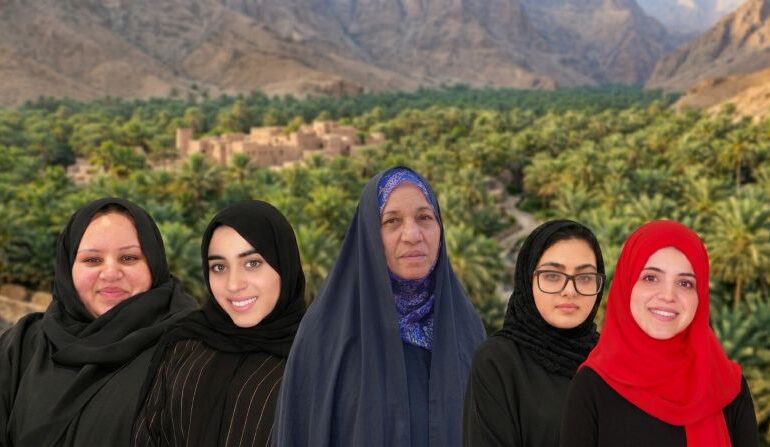
An Omani mother and her four daughters have donated blood a combined 44 times, turning a commitment to saving lives into a family tradition rooted in compassion, generosity and community service.
Najha Mansoor Wahab Al Dhanki, who began donating blood in October 1999, has donated 26 times, while her four daughters have collectively donated 18 times. Their father, Ahmed Al Kharousi, has donated blood 236 times, inspiring his family to follow his example and contribute to a cause that can save lives
As Oman celebrates Omani Women’s Day on October 17, the family’s story highlights the role of Omani women in promoting humanitarian values and encouraging the next generation to embrace voluntary work.
Speaking to Muscat Daily, Najha said her journey into blood donation began more than two decades ago, encouraged by her husband, whose longstanding commitment to the cause helped her understand the importance of regular voluntary donations.
“My husband encouraged me to donate blood. We believe that blood donation is a humanitarian duty and one of the simplest ways to contribute to the community. Blood is essential for saving lives,” she said.
What began as an individual commitment gradually developed into a shared family responsibility. Inspired by their parents, Najha’s four daughters — Istiqlal, Nawal, Amal and Ibtihal — have also taken part in blood donation, demonstrating how humanitarian values can be passed from one generation to the next.
Najha said she had always encouraged her daughters to help others and recognise the importance of contributing to society. For her, blood donation is not simply a personal choice but an opportunity to teach young people the value of compassion, solidarity and social responsibility.
“I encouraged all my daughters to donate blood because I believe it is our duty to help others. We want to continue this commitment and encourage more people to do the same,” she said.
The four daughters have established their own records of voluntary donation. Istiqlal and Nawal have donated blood three times, Amal has donated five times, and Ibtihal seven times. Their combined 18 donations, together with their mother’s 26, bring the family’s total to 44.
Their father has played a central role in sustaining this commitment. With 236 blood donations to his name, Al Kharousi has encouraged family members to participate in blood donation campaigns and understand the difference their contributions can make to patients in need.
His example has helped create a household in which volunteering is regarded as a shared responsibility rather than an occasional activity. The family’s collective efforts have earned it recognition as a ‘life-saving family’, reflecting its dedication to an act of generosity that supports patients requiring blood transfusions.
For Najha, the significance of blood donation extends beyond the number of times a person gives blood. She believes its true value lies in the opportunity to help someone facing illness or a medical emergency, often without knowing the identity of the person who may benefit.
“I believe that one unit of donated blood can help save a life. Blood donation is not only a humanitarian responsibility but also a way of giving back to society,” she said.
Her eldest daughter, Istiqlal Al Kharousi, said her decision to donate blood was shaped by the example set by her parents and her own desire to support others.
“I donate blood because I consider it a humanitarian act and a responsibility towards society. My mother and father encouraged me, and their example helped us understand the importance of giving and supporting people in need,” she said.
The family’s experience illustrates how the influence of parents can encourage children to become active participants in community service. By introducing their daughters to blood donation and encouraging them to take part in campaigns, Najha and Al Kharousi have helped make giving back an enduring family value.
Their story also reflects the wider contribution Omani women make to society through voluntary initiatives, charitable activities and efforts to support people in need. Omani Women’s Day provides an opportunity to recognise these contributions and highlight the importance of empowering women to participate in humanitarian and community-based work.
Najha said she hoped more young people would take an interest in voluntary service and recognise that meaningful contributions do not always require significant resources. She encouraged them to support charitable initiatives, participate in blood donation campaigns and make helping others a regular part of their lives.
She particularly urged eligible donors not to underestimate the importance of a single donation, noting that blood is a vital resource for patients who depend on transfusions as part of their treatment.
“I encourage young people to participate in voluntary work and support charitable initiatives, especially blood donation campaigns. Every contribution matters and we should all do what we can to help others,” she said.
“One unit of donated blood can help save a life,” she added.
For Najha and her family, the 44 donations represent more than a number. They reflect years of commitment, the influence of parents on their children and a shared belief that helping others is a responsibility everyone can embrace. Their example sends a simple but powerful message: a single act of generosity can make a difference, and when families work together, that spirit of giving can reach even further.
© 2021 Apex Press and Publishing. All Rights Reserved. Powered by Mesdac