 By OUR CORRESPONDENT
Muscat – Oman is preparing for a major expansion of its tourism sector, with a projected US$51bn investment pipeline, 12mn annual visitors and more than 500,000 tourism-related jobs targeted by 2040 as the sultanate shifts towards higher-value, sustainable growth.
The long-term outlook, set out in Oman’s Tourism Investment Outlook 2026 – a new report produced by Oxford Business Group in partnership with the Ministry of Heritage and Tourism – points to a tourism model built less around visitor numbers alone and more around longer stays, higher spending and experience-led travel. The report says up to 90% of the projected investment is expected to come from the private sector.
Oman’s National Tourism Strategy 2040 identifies 14 tourism clusters across coastal, mountain, desert and heritage areas. Their phased development is intended to expand tourism beyond Muscat, activate underdeveloped destinations and help shift the country from a seasonal, short-stay market towards a more diversified year-round destination.
The strategy targets 80,000 tourism accommodation units by 2040, while the National Aviation Strategy aims for 40mn air passengers. The Ministry of Heritage and Tourism is also working with UN Tourism to upgrade hotel classification standards and improve service quality and international competitiveness.
The investment outlook is increasingly centred on tourism segments where Oman can differentiate itself from larger regional markets.
Luxury and wellness are expected to form a major part of that strategy, with the report pointing to growing global demand for premium, personalised and restorative travel. Oman’s mountains, coastlines, deserts and protected landscapes provide scope for low-density resorts, wellness retreats and conservation-linked hospitality.
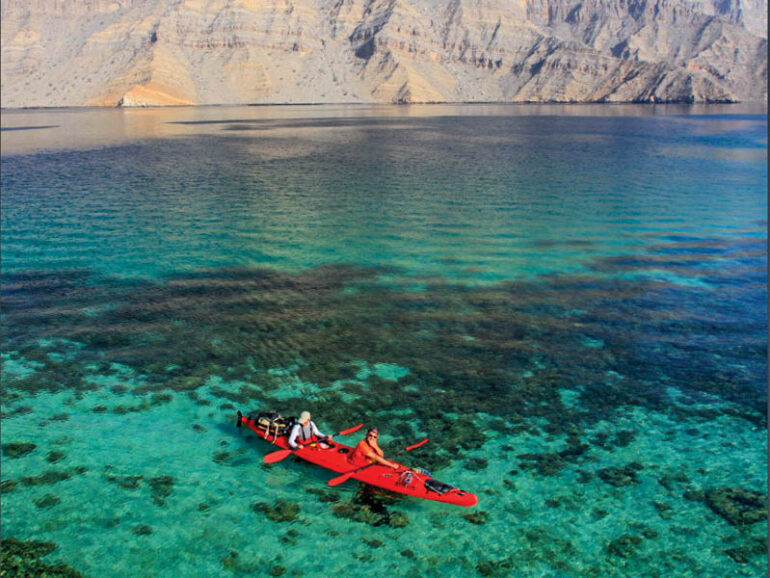
Adventure tourism is another expanding segment. The number of licensed adventure operators increased 433% between 2023 and 2025, while 23 adventure routes had been approved across several governorates by January 2026. The report sees further scope for eco-lodges, trails, access roads, safety infrastructure and destination management systems.
Eco-tourism is similarly being positioned as a growth area. More than 20% of Oman’s landmass is protected, providing a base for nature-based tourism while conservation remains central to destination planning. The report also highlights RO44mn in eco-tourism contracts awarded in 2025 across seven nature reserves for visitor centres, eco-camps, trails and stargazing parks.
Connectivity will be critical to the expansion. Oman’s airport passenger capacity is planned to rise from 14.5mn to 50mn by 2040, supported by new airports and investment in airport cities. Expanded air links, cruise infrastructure and improved access to rural destinations are expected to support investment beyond Muscat.
Unified GCC visa
The GCC Unified Tourist Visa, expected by the end of 2026 according to the report, could further support regional travel by allowing foreign visitors to travel across the six GCC states through a single application. The report cites estimates that the unified visa could bring an additional 22mn visitors to the region and US$26bn in spending by 2030.
The report also identifies challenges, including rural infrastructure gaps, skills shortages, seasonal demand and the need for coordination among multiple agencies and investors.
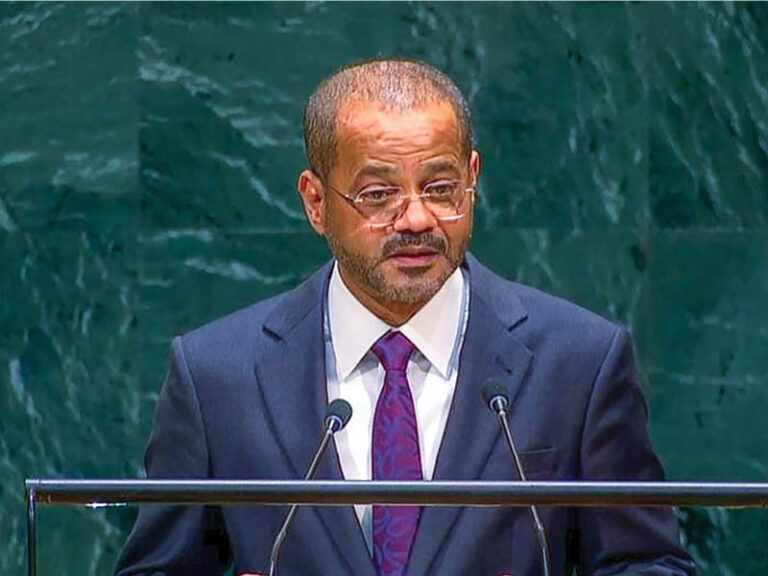
H E Azzan Al Busaidi, Undersecretary of Tourism, said sustained development would require the private sector to lead where commercially viable opportunities exist, while government focuses on infrastructure, regulation and enabling emerging destinations.
© 2021 Apex Press and Publishing. All Rights Reserved. Powered by Mesdac