
 By ANIRBAN RAY
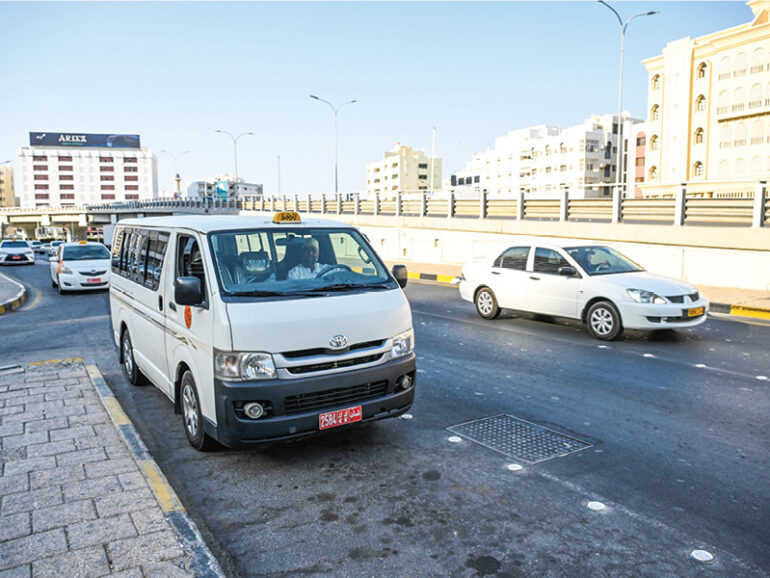
Muscat – For decades, the minibuses known locally as baiza buses have been a familiar sight on roads, carrying workers, students and families across Muscat at affordable fares. Today, many of those vehicles sit idle for long periods, waiting for passengers who no longer arrive in the same numbers.
At OK Centre in Ruwi, long regarded as one of the main hubs for shared vans, the change is evident. Drivers say that where six to ten vans once departed every hour, only two to four now leave in that time. Instead of queues of passengers, drivers now spend much of the day calling out destinations in the hope of filling their vehicles.
For many operators, the decline has accelerated over the past few years.
Ahmed Al Balushi, who operates the Ruwi-Seeb route, said the business has become increasingly difficult.
“There has been a rapid drop in passengers. We considered reducing fares, but with rising costs that is difficult. Even the orange taxis are struggling. Earlier, I could fill my van with ten passengers in about ten minutes. Now it can take an hour, and people are not willing to wait that long. Some passengers leave before the van is full,” he told Muscat Daily.
Several factors have contributed to the shift. The expansion of Mwasalat’s scheduled bus network has provided commuters with air-conditioned buses operating on fixed timetables across key routes. At the same time, app-based taxi services have become increasingly popular, offering passengers greater convenience and shorter waiting times.
Sulaiman Al Abri, another van driver, said the changing transport landscape has altered commuting habits.
“Many people believe only blue-collar workers use these vans, but over the years I have transported office staff, corporate groups and families attending festivals. Today, many of those same customers prefer app-based taxis or Mwasalat buses because they offer comfort and speed,” he said.
Despite the growing competition, Al Abri believes shared vans continue to serve an important role by offering one of the lowest-cost transport options available, particularly for daily commuters.
For generations of expatriates arriving in Oman, the baiza bus was often the first mode of transport they used.
“I came to Oman almost 20 years ago and baiza buses were my lifeline,” said Salman Khan. “They were inexpensive, frequent and you could always find one heading in your direction. Today there are many more transport choices, and I now prefer Mwasalat because the buses are comfortable, reliable and the fares remain affordable.”
Baiza bus drivers say they are not opposed to improvements in public transport but hope authorities will consider measures to help shared vans remain viable.
Hameed Al Yoqoobi believes greater operational flexibility could make a difference. “Today, buses are everywhere and more people use them. We hope authorities will consider additional designated pick-up points and allow shared vans greater route flexibility so we can continue serving commuters alongside the public transport network,” he said.
© 2021 Apex Press and Publishing. All Rights Reserved. Powered by Mesdac