 By MOHAMMED TAHA
Former addict turns his prison years into a successful business after years of introspection and reflection
As the world marks the International Day Against Drug Abuse and Illicit Trafficking on June 26, stories of recovery and resilience offer powerful reminders that lives can be transformed, even after years of hardship.
Among those stories is that of Ali (name changed), an Omani craftsman who overcame decades of addiction, imprisonment and personal struggles to build a successful woodworking business and inspire others facing similar challenges.
Observed annually, the International Day Against Drug Abuse and Illicit Trafficking seeks to raise awareness about the harmful effects of drug abuse on individuals, families and communities while highlighting the importance of prevention, treatment and recovery. Ali’s journey reflects the very message behind the global observance – that change is possible through determination, support, and perseverance.
Ali’s struggle with addiction began in the late 1980s when he was a secondary school student in Darsait. What started as smoking cigarettes for fun, gradually escalated under the influence of friends who encouraged him to skip school and spend time away from supervision.
“Addiction did not begin with drugs,” he recalls. “It started with smoking and bad company. Step by step, I found myself trapped in a cycle that, I did not know, would ultimately take years to escape.”
A major turning point came after a bicycle accident during his second year of secondary school. He suffered a broken leg and spent three months in hospital, where medical staff discovered his drug addiction. The revelation shocked his family and contributed to his academic failure that year.
After moving to Seeb to live with his grandfather, Ali repeatedly attempted to quit drugs but struggled to remain sober. Eventually, he left school and addiction continued to affect his life, leading to his first imprisonment in 1995 on drug-related charges. He was sentenced to four years in prison.
Following his release, he once again turned to drug use and was arrested again for drug trafficking. He received a ten-year prison sentence which made him reflect seriously on the direction of his life.
Released in 2005 after serving five and a half years, Ali enrolled for English and computer courses and secured a temporary position as a security guard. However, the opportunity ended when he was unable to obtain the required certificate of good conduct because of his record.
The setback proved devastating. Struggling with unemployment and isolation, he relapsed into drug use and trafficking. In 2006, he was sentenced to life imprisonment.
It was during the 17 years and five months he spent behind bars that Ali underwent a profound personal transformation.
“I learned patience and trust in God,” he says. “I realised that no matter how many mistakes a person has made, there is always a chance to start again.”
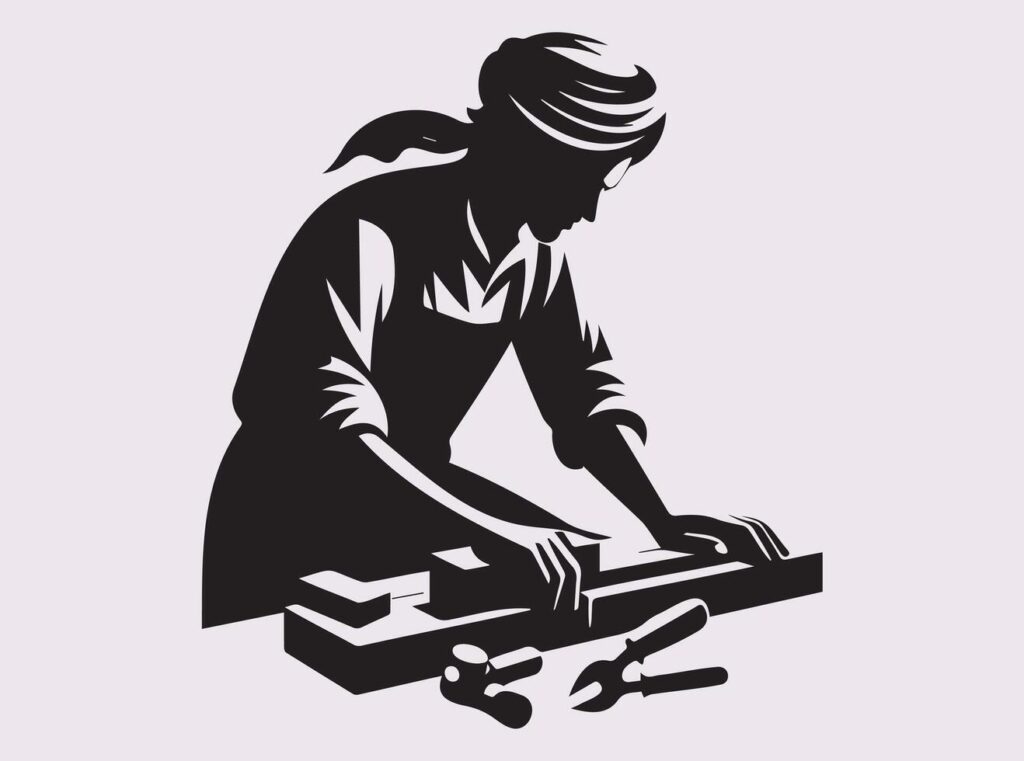
Determined to make productive use of his time, he completed his General Education Diploma, read extensively, exercised regularly, and participated in rehabilitation programmes. Most importantly, he discovered a talent that would ultimately shape his future – woodworking and the creation of traditional Omani handicrafts.
Inspired by Oman’s rich maritime heritage, Ali became fascinated with crafting miniature traditional dhows and wooden decorative pieces. Within months, he had mastered the basics and continued refining his skills throughout his imprisonment.
Equally important was his journey to recovery. He says he drew inspiration from fellow inmates who had successfully overcome addiction after many years of dependency.
“Seeing people who had been addicted for ten years or more recover gave me hope,” he says. “Their stories encouraged me to enter treatment and commit myself fully to a life free from drugs.”
After his release in 2022, Ali established a small workshop at his home, producing handcrafted wooden boats and decorative items inspired by Omani culture and heritage. A year later, he obtained a commercial license and expanded his business with support from his family.
Today, his workshop produces a wide range of handcrafted items, including traditional boats, tables, cabinets, castles, vases and decorative pieces. He has also trained workers in woodworking techniques, contributing to the preservation of traditional craftsmanship while creating employment opportunities.
Social media platforms, particularly Instagram, have helped him market his products and reach new customers. Nevertheless, challenges remain. Transportation constraints, delivery difficulties, fluctuating demand, and periodic financial pressures continue to test his determination.
“My products are handmade and reflect Omani heritage and identity,” he says. “I believe there will always be people who appreciate authentic craftsmanship.”
As Oman joins the international observance of the day, Ali hopes his experience will encourage young people to avoid the mistakes that shaped much of his early life.
“Stay away from bad influences and choose good company,” he advises. “Drugs lead only to prison, destruction and the loss of your future. Recovery is not easy. It takes years of patience, determination and support, but it is possible.
(For more information on drug addiction and rehabilitation, contact Positive Vision Association: 99253307
Insta: @positivevisionoman
email: [email protected])
© 2021 Apex Press and Publishing. All Rights Reserved. Powered by Mesdac