 By OUR CORRESPONDENT
Muscat – Archaeologists from Oman and Italy have highlighted new findings from the 3rd millennium BC site of Al Tikha in Rustaq, underscoring its role as one of the largest Umm An Nar settlements in the north of the sultanate.
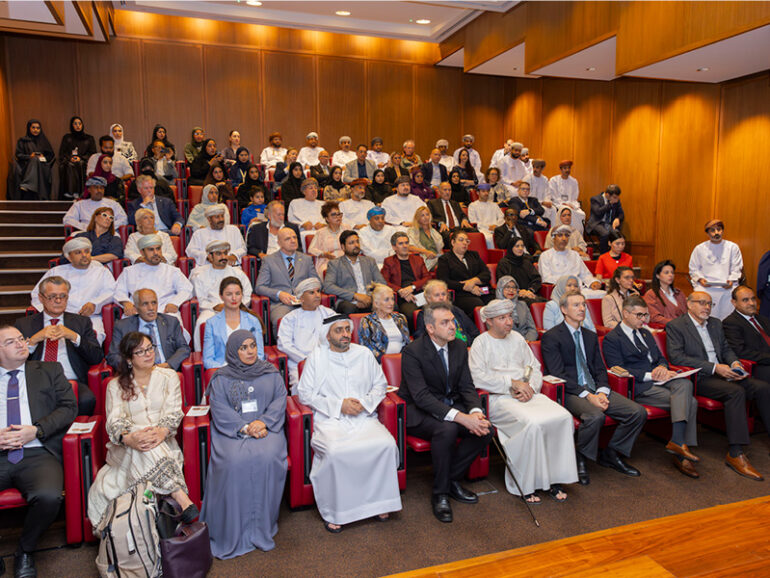
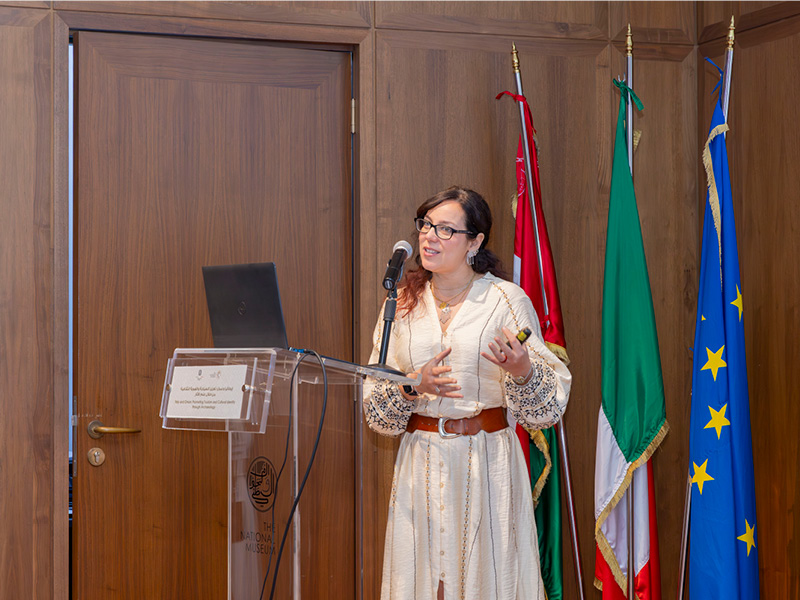
A discussion took place at the National Museum on Sunday during an event titled ‘Italy and Oman: Promoting Tourism and Cultural Identity through Archaeology’, organised by the museum’s Learning Centre in cooperation with the Embassy of Italy in Muscat.
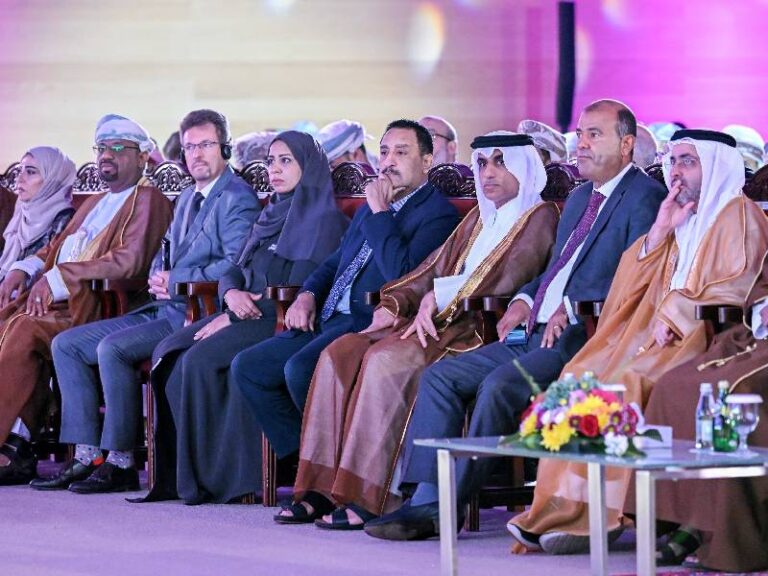
Held under the patronage of Jamal bin Hassan Al Moosawi, Secretary-General of the National Museum, the gathering brought together diplomats, academics, archaeologists, tourism experts and students.
In opening remarks, H E Pierluigi D’Elia, Italian Ambassador to Oman, said, “This is a fruitful collaboration between Italian and Omani archaeologists, built on a foundation of cooperation spanning nearly half a century.”
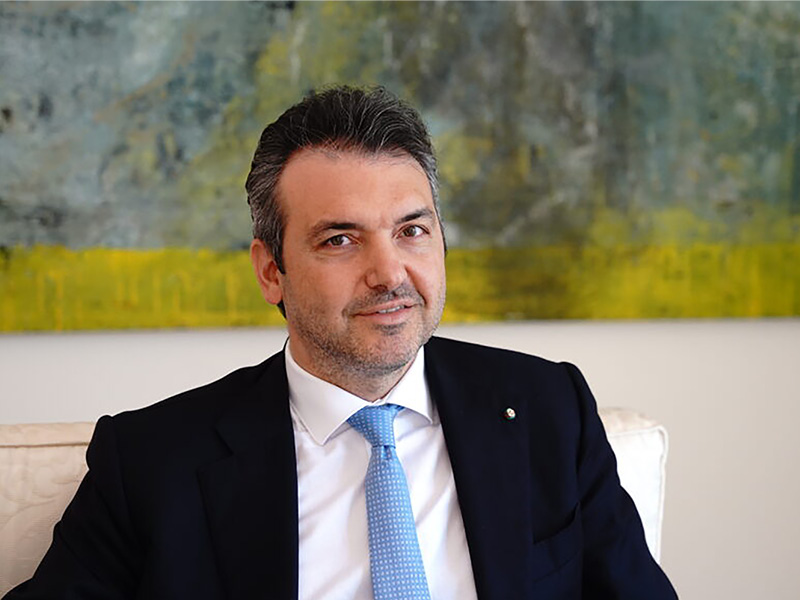
Sara Pizzimenti, Associate Professor of Near Eastern Archaeology at the University of Pisa and Co-Director of the Omani-Italian Archaeological Expedition at Al Tikha, presented research alongside Khaled Douglas, Professor in the Department of Archaeology at Sultan Qaboos University.
Spread over 70 hectares, Al Tikha dates back to the Early Bronze Age and is considered among the most extensive Umm Al Nar settlements documented in the sultanate. Excavations have uncovered residential structures, circular tombs and towers measuring up to 20m in diameter, indicating organised urban planning and engineering capabilities.
Douglas informed that the team is proposing the creation of an archaeological park linking the Rustaq oasis to Al Hazm Fort and working to include the area on the Unesco World Heritage List.
He added that artefacts found at the site, along with the discovery of towers, vessels and items used for rituals, demonstrate strong connections with the Indus Valley and Mesopotamian civilisations. “Rustaq shows evidence of human settlement dating back 7,000 years.”
Findings at Al Tikha, including pottery and furnace remains, point to copper production and trade networks that connected Oman to Harappa and Mesopotamia during the Early Bronze Age.
Fatma bint Mohammed Al Balushi, Advisor to the Secretary-General for Museum Affairs, outlined the museum’s role in supporting Italian archaeological missions and expanding cooperation through exhibitions and lectures.
© 2021 Apex Press and Publishing. All Rights Reserved. Powered by Mesdac