 By OUR CORRESPONDENT
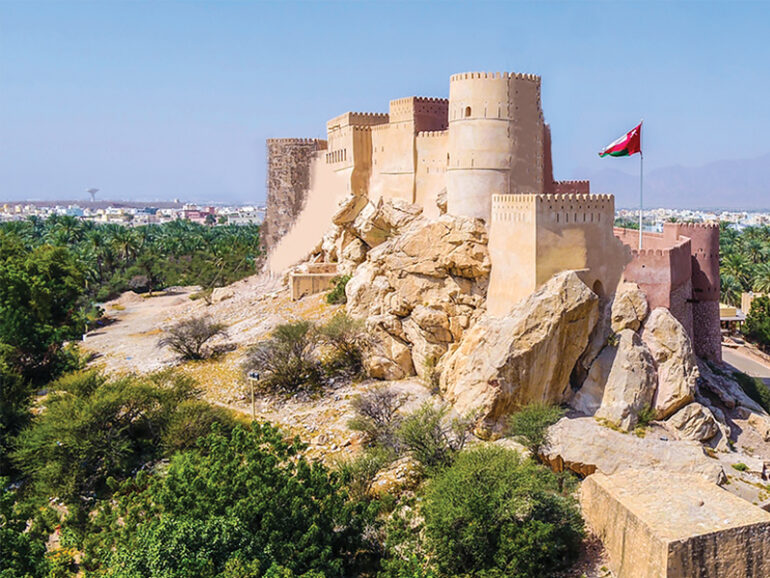
Muscat – Oman on Saturday joined countries worldwide in marking World Heritage Day, observed annually on April 18, under the theme ‘Emergency response to living heritage in times of conflict and disaster’.
The theme highlights global efforts to safeguard tangible and intangible heritage of universal value amid rising risks from conflicts, natural disasters and complex emergencies. It calls for swift action to protect historic sites, traditions and customs, and to support communities in maintaining their cultural identity during crises.
H E Ibrahim bin Saeed Al Kharousi, Undersecretary for Heritage at the Ministry of Heritage and Tourism, said the occasion reinforces attention on a sector that reflects the collective memory of nations.
“Heritage represents the living memory of peoples and their pride in cultural roots,” H E Kharousi said. “It strengthens national identity, preserves values and customs, and contributes to the development of heritage and cultural tourism.”
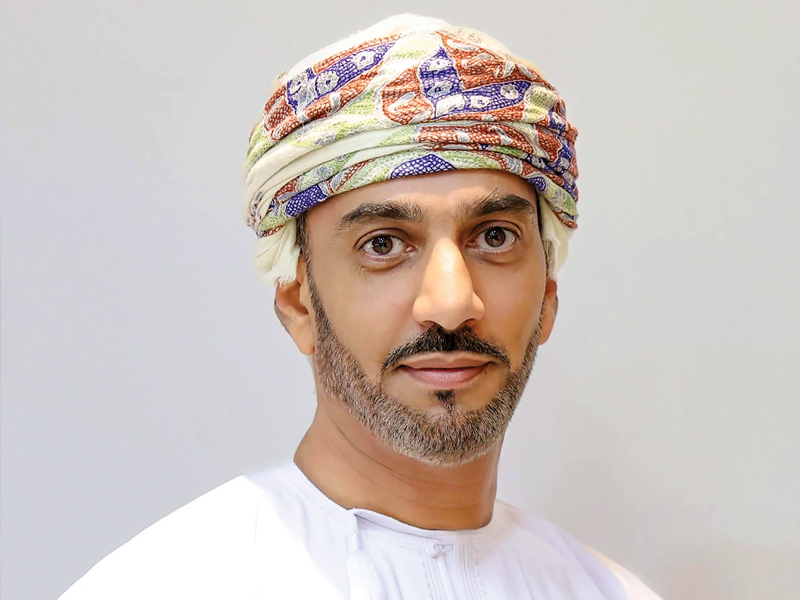
He added that Oman has involved local communities as key partners in the management, operation and conservation of heritage sites, in line with Unesco guidelines.
“These experiences have demonstrated that heritage is also an opportunity for sustainable development,” he said.
Noah bin Mohammed Al Busaidi, President of the Omani Historical Society, said this year’s observance comes at a critical time.
“Heritage and culture remain a space of consensus because they reflect the spirit of humanity,” Busaidi said. He underlined the role of cultural institutions, particularly Unesco, in preserving and promoting heritage, culture and science.
He noted that several Omani sites and personalities have been inscribed on the World Heritage List, describing the sultanate as a valuable contributor to global heritage. He also pointed to cooperation between Unesco and Omani schools to enhance cultural awareness.
Mohammed bin Saeed Al Hajri, Chairman of the Social and Cultural Committee of the State Council, said nations draw strength from their historical connections.
“History in all its forms is an integral part of identity and shapes civilisation,” Hajri said. “Maintaining that connection does not prevent societies from looking to the future with confidence.”
He described customs, arts and traditions as elements of a society’s soft power. Many communities, he said, continue to uphold their practices despite challenges, not out of resistance to change but as a commitment to their roots.
Hajri stressed that official, civil and private efforts to preserve heritage reinforce social cohesion. He called for intensified work to protect family values and safeguard younger generations amid evolving challenges.
© 2021 Apex Press and Publishing. All Rights Reserved. Powered by Mesdac