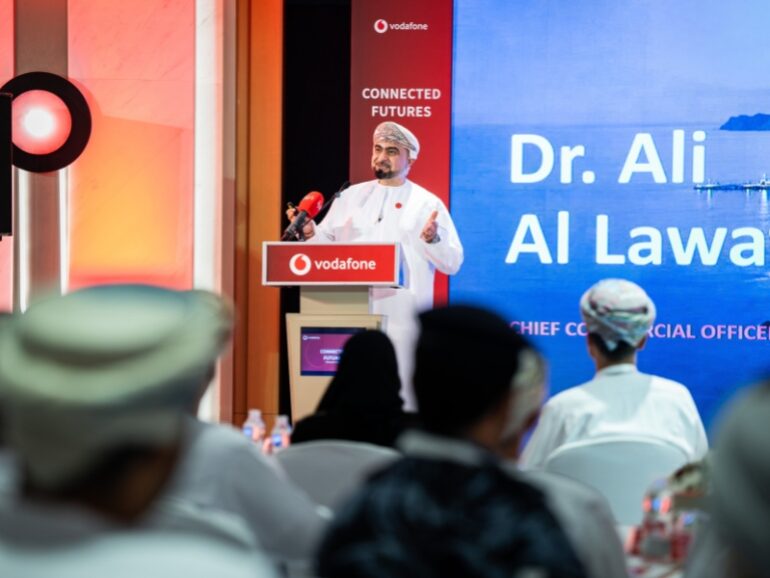
Muscat – As digital adoption advances across Oman’s economic sectors, the focus for businesses is increasingly on how technology improves the way they operate. In sectors where safety, operational continuity and coordination are critical, this is raising the requirements placed on connectivity as more field activities, assets, applications and operational systems become connected. Vodafone Oman put these requirements at the centre of its “Connected Futures” forum, bringing together senior representatives from energy, transport and logistics, infrastructure and public safety with global technology specialists Airbus, Celona and RugGear.
Held under the patronage of of H.E. Dr. Ali Al Shidhani, Undersecretary of the Ministry of Transport, Communications and Information Technology for ICT, the forum examined private 5G, IoT and mission-critical communications against the realities of the environments in which they are expected to operate. As connectivity becomes more closely tied to safety, control and real-time decision-making, network design is no longer a standalone technology consideration; it increasingly forms part of the wider operational architecture.
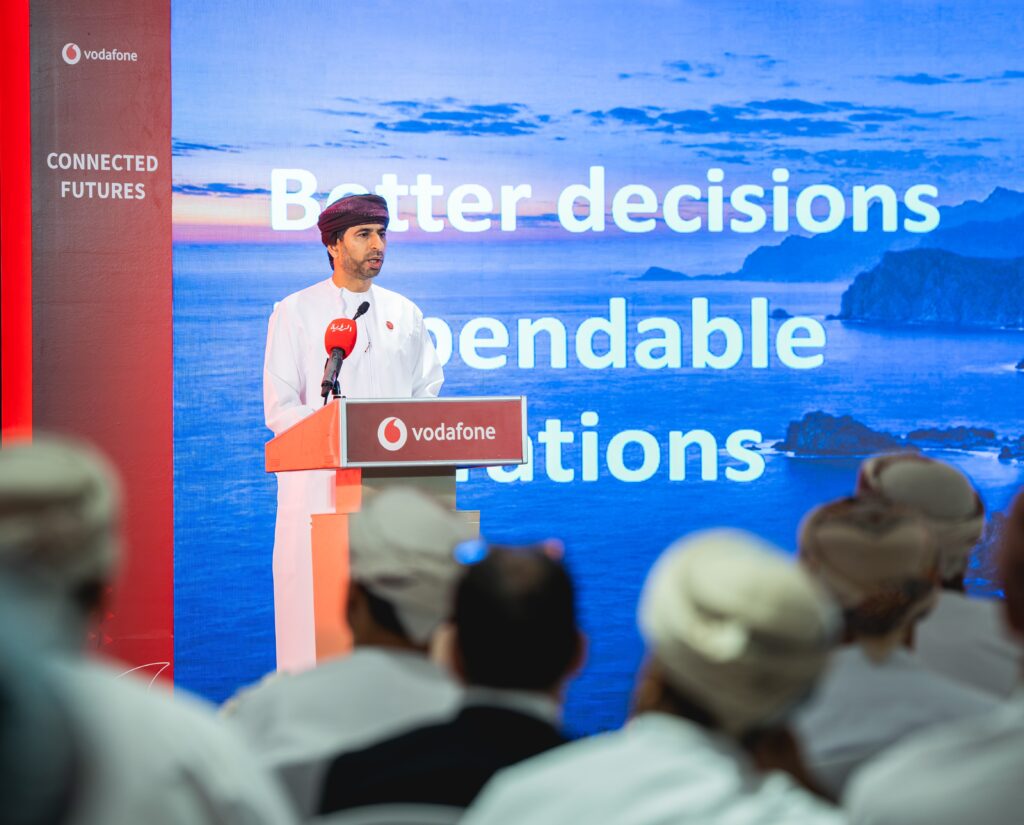
Eng. Bader Al Zidi, Chief Executive Officer of Vodafone Oman, said: “The value of advanced connectivity will increasingly be seen in what it enables across the sectors that drive growth and diversification, from greater productivity and resilience to stronger competitiveness. For the telecommunications sector, that means our contribution cannot be measured only by the networks we build, but by how effectively those networks enable the wider economy.”
Al Zidi went on to elaborate, “There is an opportunity for Oman to benefit from a global learning curve that is already well advanced. International experience can show what has worked, what has not, and where the real value has emerged, but it has to be considered alongside the knowledge of our own industries. Bringing those two together gives Oman a stronger basis for accelerating adoption in a way that is relevant to its priorities and operating realities.”
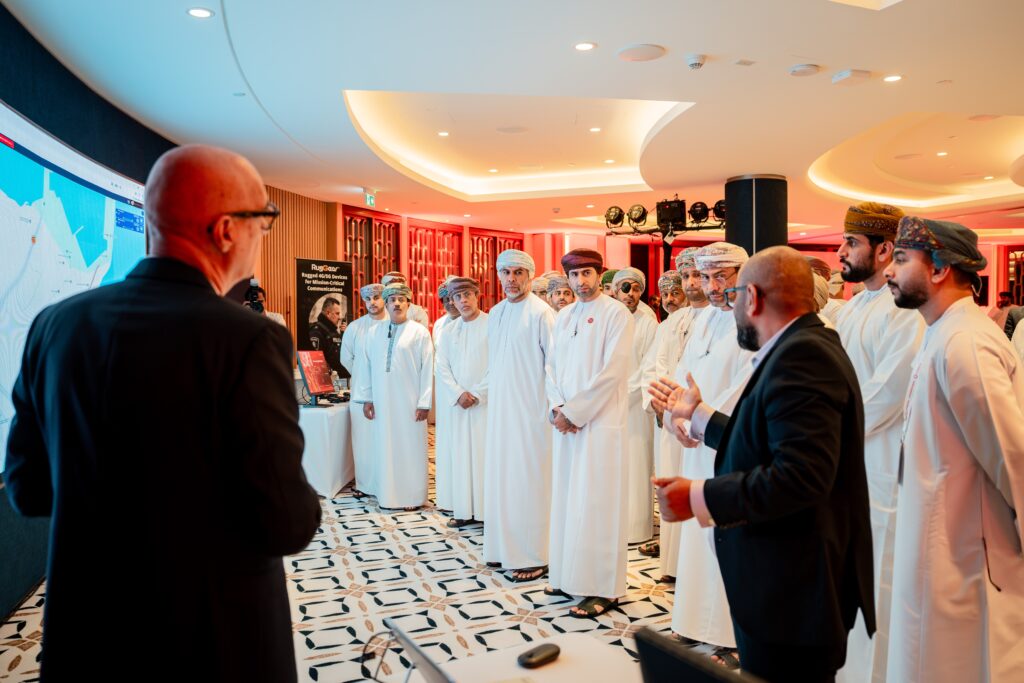
The international cases presented at Connected Futures placed Oman’s requirements within a wider shift already underway across critical industries. Airbus highlighted deployments with CEPSA in Spain, Tirana International Airport in Albania and Rijkswaterstaat in the Netherlands, where broadband critical communications are being introduced across energy, aviation and transport operations. Celona drew on private 5G deployments across oil, gas and petrochemical sites in the United States, while RugGear shared experience from public safety and industrial environments, including the transition of Saudi Arabia’s Ministry of Interior and Ministry of Defence from legacy narrowband systems to broadband mission-critical communications.
Oman’s oil and gas concessions, ports, logistics networks and public safety operations face many of the same underlying demands: geographically dispersed assets, mobile workforces, safety-critical activity and an increasing reliance on real-time information. This places greater emphasis on communications that can connect people, field operations and control environments securely and consistently across the wider operating landscape.
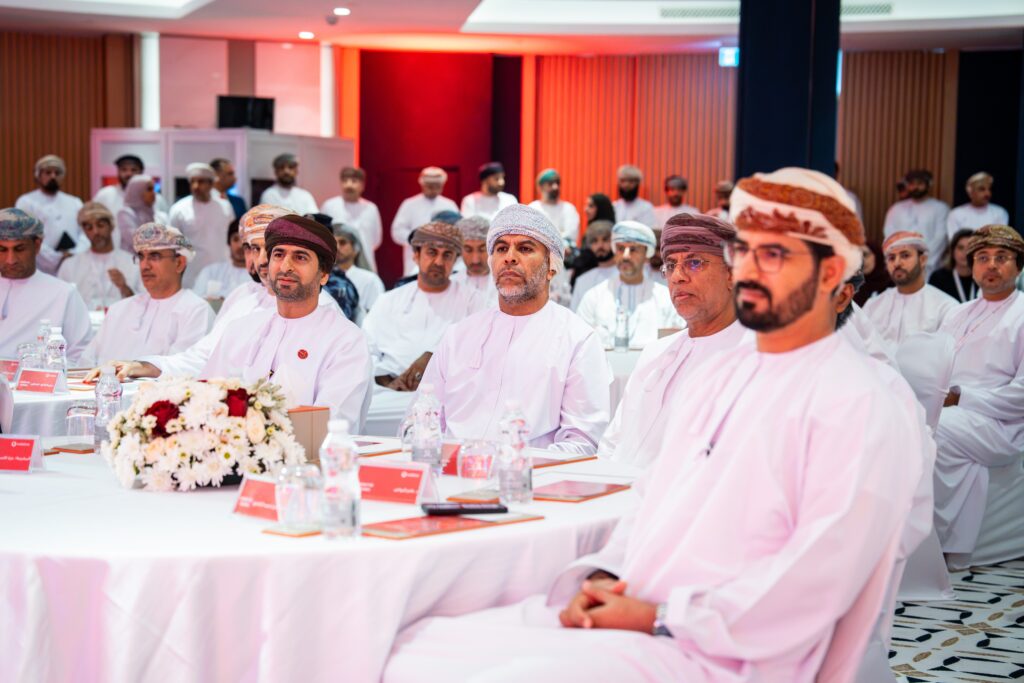
Connected Futures builds on Vodafone Oman’s broader enterprise strategy to bring the scale and experience of Vodafone Group closer to the needs of businesses in the Sultanate. As its enterprise business develops beyond core connectivity, the company is expanding the capabilities it can bring to Oman’s industries, reinforcing its ambition to play a key role in the country’s digital economy.
© 2021 Apex Press and Publishing. All Rights Reserved. Powered by Mesdac