 By OUR CORRESPONDENT
Muscat – Oman’s economy is forecast to grow 3.5% in both 2026 and 2027, supported by resilient non-oil activity and a positive contribution from the hydrocarbon sector, according to Standard Chartered.
The leading international bank expects non-oil growth to remain robust, driven by logistics, manufacturing and continued public investment linked to Oman Vision 2040.
Standard Chartered has also significantly upgraded its outlook for Oman’s fiscal position, raising its forecast for the fiscal surplus to 4.6% of GDP in 2026 and 3.6% in 2027, from previous estimates of 0.5% and 1.0%, respectively.
The bank expects the sultanate’s public debt to decline to around 33% of GDP by end-2026 and 31% by end-2027. The current-account surplus is forecast to reach 5% of GDP in 2026 and 3.4% in 2027, compared with previous forecasts of 1% and 1.5%, respectively.
Hussain Al Yafai, Chief Executive Officer and Head of Coverage, Standard Chartered Oman, said, “Oman is entering the next phase of its development from a stronger economic position. Sustained non-oil growth alongside improving fiscal and external balances provides a firmer foundation for continued investment in the sectors that will shape the sultanate’s next phase of diversification. The opportunity is to convert this resilience into broader and more durable growth as Oman advances the ambitions of Vision 2040.”
He said Oman’s stronger domestic position was complemented by emerging opportunities in external markets.
As international investors reassess regional supply chains and seek more secure trade routes, Oman’s geographical location, neutral diplomatic position and relatively low exposure to direct conflict spillover are expected to enhance the strategic value of its ports, industrial zones and logistics infrastructure, according to the bank.
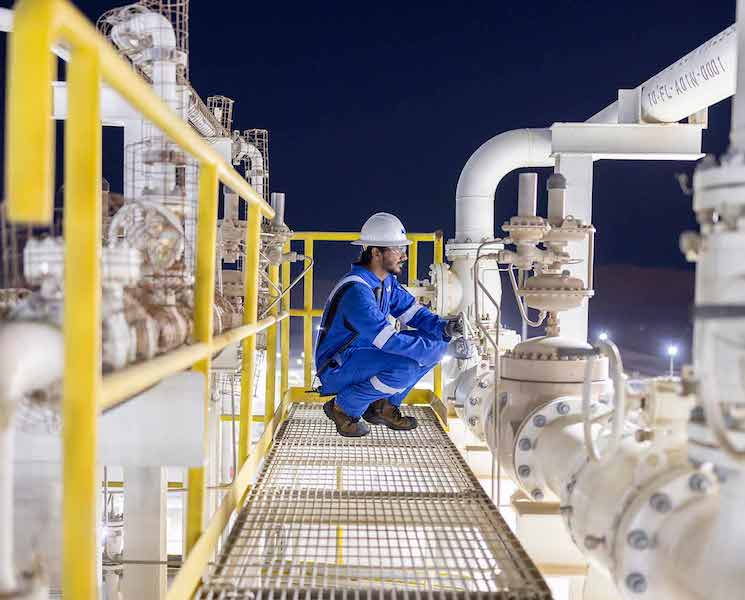
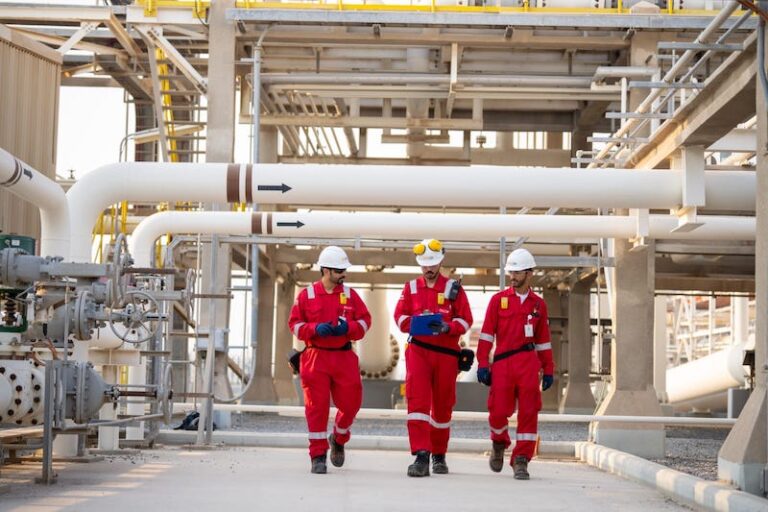
Standard Chartered expects investment momentum to strengthen across Oman’s logistics, manufacturing, re-export activity and energy-linked infrastructure.
Al Yafai added, “As companies rethink supply chains and trade routes, Oman’s advantage is increasingly about connectivity as well as resilience. Its ports, industrial zones and logistics infrastructure serve as a strong platform to capture greater trade and investment activity and strengthen its links with regional and global markets. This can support the continued expansion of the non-oil economy while reinforcing Oman’s position as an increasingly important destination for long-term investment.”
The bank said Oman’s improving macroeconomic position, combined with its strategic connectivity, could support continued growth as regional trade and investment patterns evolve.
Continued expansion in the non-oil economy, alongside investment in logistics, manufacturing and energy-linked infrastructure, is expected to strengthen Oman’s diversification drive and create opportunities to attract trade and investment flows.
© 2021 Apex Press and Publishing. All Rights Reserved. Powered by Mesdac