 By OUR CORRESPONDENT
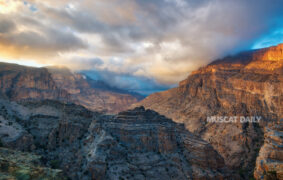
Rustaq – Tucked away in Wadi Al Sahtan in Rustaq, South Batinah, the village of Yasab is a small mountain settlement where green farms, dramatic rock formations and traditional stone houses come together in a landscape shaped by nature and generations of human settlement.
Wadi Al Sahtan is known for its striking geology, mountain villages and cultural heritage. Date-palm oases, terraced farms, traditional architecture and old routes linking remote communities reflect a way of life built around the mountains and their natural resources.
Yasab occupies a scenic location in the Western Hajar mountains. Despite a population of only 145, according to the National Centre for Statistics and Information, the village offers a distinctive combination of natural beauty, agricultural heritage and traditional architecture.
Its stone houses blend into the rugged landscape, while relatively mild summers and cool winters make Yasab appealing for hiking, camping and experiencing rural life away from Oman’s more developed tourist destinations.
Reaching the village is part of the experience. The final approach takes around an hour along an unpaved mountain road, with sweeping views of the Hajar range and scattered settlements across Wadi Al Sahtan.
Yasab lies about 50km from the nearest town centre and around 19km from the nearest populated settlement, Fash. As the road winds deeper into the mountains, the terrain grows increasingly rugged before opening onto the village and its cultivated plots.
Water has long shaped life here. A network of wadis, ravines and streams converges around Yasab, with Wadi Yasab being among the main waterways. Other wadis include Wadi Majhas, Wadi Al Ala and Wadi Harmah, alongside the ravines of Hamham, Zaqar, Al Ghor, Al Qarnah and Al Harah.
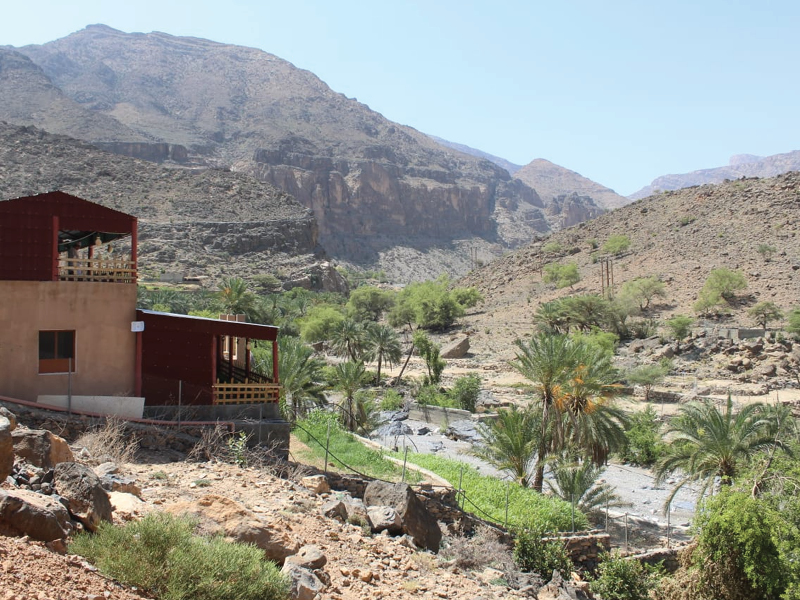
During the rainy season, water flows through the mountain channels, nourishing farms and transforming the scenery.
The village comprises several historic neighbourhoods, including Al Hashah, Al Dar, Sharjah Al Harah, Rajmat Al Shour, Al Sharjah, Ruais Taraf and Duwairat Al Ain.
Traditional stone houses remain among Yasab’s most distinctive features, reflecting building techniques adapted to the mountainous environment. An old fort perched on a mountain peak adds another layer to the village’s heritage character.
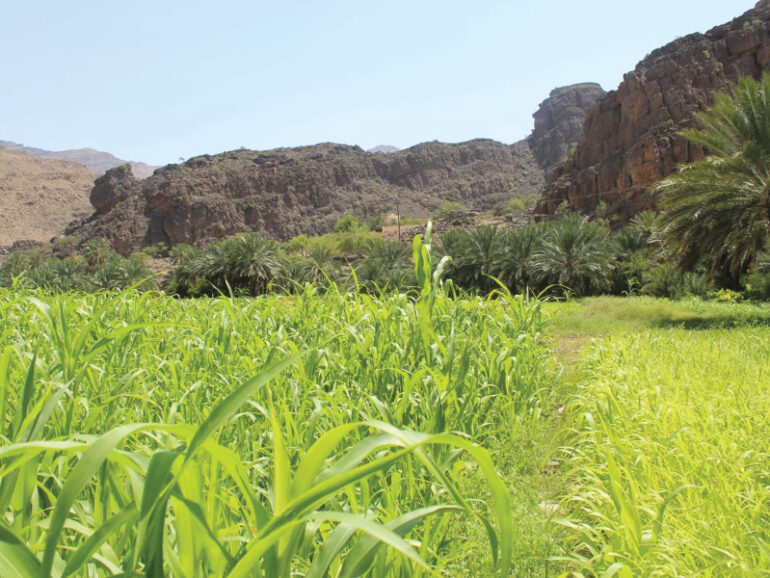
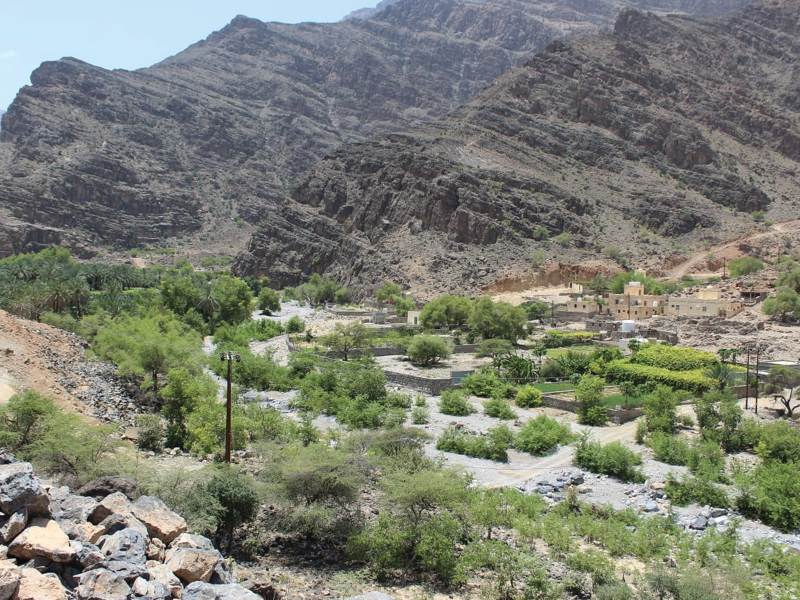
Greenery is woven through the settlement. Cultivated plots sit between houses, while grape vines climb over traditional trellises. Together, the farms, homes and surrounding mountains offer visitors a glimpse of rural Omani life closely tied to the land.
Agriculture remains central to village life. Two main aflaj – Falaj Al Ain and Falaj Al Mustaqa – sustain farms producing pomegranates, peaches, apricots, figs, grapes, lemons, quinces and bananas. Yasab is also home to ancient sidr trees believed to be around 300 years old.
Living mountain heritage
Yasab’s appeal lies in the close relationship between its natural surroundings and cultural heritage. Its stone houses, farms, aflaj, mountain trails and historic structures reflect a community shaped by water, agriculture and the mountains.
For visitors looking for a quieter side of Oman, Yasab offers more than scenic views. It provides an opportunity to experience a living landscape where traditional farming, mountain architecture and community life remain closely connected.
For outdoor enthusiasts, mountain trails wind through rock formations, agricultural terraces and cultivated valleys, offering hiking and climbing opportunities.
A four-wheel-drive vehicle is recommended because parts of the road are unpaved and rugged. Visitors should carry sufficient water, wear suitable footwear and respect farms, heritage structures, local customs and community privacy.
© 2021 Apex Press and Publishing. All Rights Reserved. Powered by Mesdac