 By OUR CORRESPONDENT
Muscat – An artificial intelligence-powered screening programme in Oman has cut waiting lists at specialist eye clinics by 87% and identified more than 12,000 diabetic patients requiring further examination, as the sultanate expands the use of technology to prevent avoidable vision loss.
More than 43,000 patients have been screened since the launch of the National Project for Diabetic Retinopathy Screening Using Artificial Intelligence Technologies, according to the Ministry of Health.
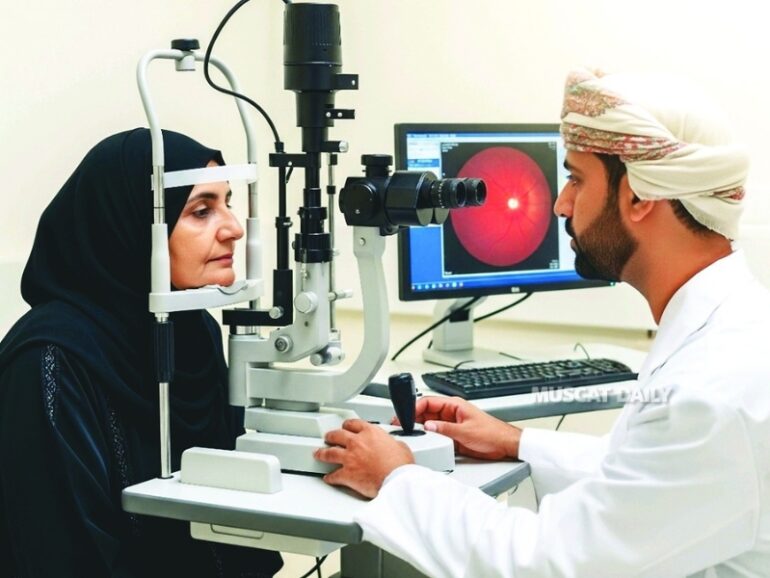
The AI system analysed more than 43,000 retinal images, identifying about 30% patients for specialist clinical examination and allowing earlier treatment for those at risk of deteriorating vision.
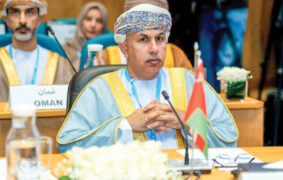
Anas bin Nasser Al Kimyani, Director of the National Virtual Health Centre at the Ministry of Health, said the programme had reduced the wait for examination and treatment appointments from 62 days to eight days during its first seven months.
Screening time itself has fallen from about one-and-a-half hours – when examinations involved pupil-dilating eye drops – to around 15 minutes, allowing ophthalmologists to focus more on complex cases, treatment and surgery.

“The project has contributed to enhancing the efficiency of healthcare services provided to diabetic patients in the sultanate,” Al Kimyani said.
The system recorded diagnostic accuracy of 91.3% and sensitivity of 85%, according to the ministry, supporting its use as a tool to help medical staff identify patients needing further assessment.
The initiative addresses a potentially serious consequence of a growing chronic disease burden. Around 15% of Oman’s adult population has diabetes, putting a significant number at risk of diabetic retinopathy, which can damage blood vessels in the retina and lead to vision loss.
The programme aims to eventually cover all adults registered with Type 1 or Type 2 diabetes in Oman, with screening frequency determined by the severity of retinal disease.
Oman is the third country in the world to undertake the project, according to the ministry.
The first phase is operating at 25 health institutions across the governorates, with retinal imaging equipment distributed geographically to improve access. The highest utilisation has been recorded in Seeb, Bausher, Suhar and Ibri.
Expansion to additional health centres, particularly in remote areas, is planned.
The ministry said AI screening has also reduced operating costs by 43.2% annually compared to previous procedures, while helping avoid costs associated with advanced disease and surgery following late diagnosis.
Plans now extend beyond diabetic retinopathy. The project’s roadmap includes AI-assisted screening for glaucoma and keratoconus, wider use of virtual medicine and specialist follow-up clinics.
Oman also plans to develop a local AI engine trained on retinal images collected in the sultanate, potentially allowing diagnostic tools to be tailored more closely to the population.
© 2021 Apex Press and Publishing. All Rights Reserved. Powered by Mesdac