 By GULAM ALI KHAN
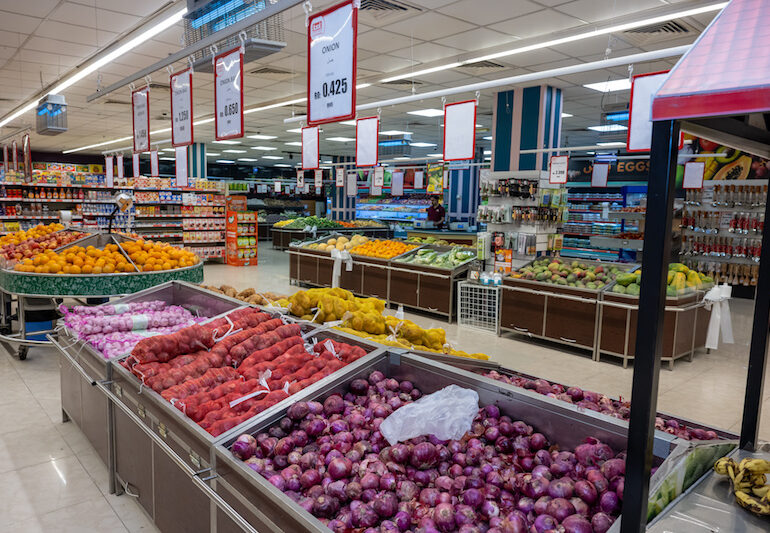
Food prices were the biggest source of inflationary pressure in July, rising 7.3% year-on-year, led by sharp increases in vegetable prices at 19.9%, fruits at 15.8%, meat at 8.7% and fish at 5.7%
Muscat – Oman’s annual inflation rate increased to 3.2% in July 2026, up from 2.8% in June, as a sharp increase in food prices and higher transport costs pushed consumer prices higher, according to the latest data released by the National Centre for Statistics and Information (NCSI).
The rise marks a renewed acceleration in inflation after the rate eased significantly to 2.8% in June from 3.8% in May. During the first seven months of 2026, consumer prices increased by an average 2.9% compared to the corresponding period of 2025, NCSI data showed.
Food and non-alcoholic beverages were the biggest source of inflationary pressure in July, with prices in the category rising 7.3% year-on-year. Transport costs increased 6.5%, while miscellaneous goods and services rose 5.3%.
Prices also increased in restaurants and hotels by 3.6%, household furnishings, equipment and routine maintenance by 3.1%, and education by 2.2%. Health costs rose 1.7%, while recreation and culture increased 0.4%.
Within the food basket, vegetable prices surged 19.9% compared to July 2025, recording the largest increase among individual food categories. Fruit prices rose 15.8%, while meat prices increased 8.7% and fish prices rose 5.7%.
Non-alcoholic beverages increased 3.3%, while prices of sugar, jam, honey, chocolate and confectionery rose 2.4%. Milk, cheese and eggs increased 2.2%, while bread and cereals recorded a more modest increase of 1%.
The increase in overall inflation was partly offset by lower costs in the housing, water, electricity, gas and other fuels category, which declined 0.6% year-on-year. This is the largest-weighted category in Oman’s consumer price basket, with a weight of 31.7%.
Prices of clothing, footwear, tobacco and communications were unchanged from a year earlier.
At the governorate level, Dhahirah recorded the highest inflation rate at 4.4%, followed by Dakhliyah at 3.7%, and Muscat and Al Wusta at 3.4%. Buraimi recorded inflation at 2.8%, North Sharqiyah and North Batinah 2.5%, and South Batinah 2.4%. Dhofar recorded the lowest inflation rate at 2.1%.
Inflation has been on an upward trend since February this year. It stood at 1.4% in January and 2% in February, before rising to 3.6% in March, 3.2% in April and 3.8% in May. The rate then eased to 2.8% in June before accelerating again in July.
The renewed increase in Oman’s inflation in recent months coincides with heightened geopolitical tensions in the Middle East, particularly following the outbreak of the US-Israel conflict with Iran on February 28. The conflict has affected global oil prices, shipping costs and supply chains, potentially adding to import costs for Gulf countries, including Oman, particularly for food and other consumer goods.
© 2021 Apex Press and Publishing. All Rights Reserved. Powered by Mesdac