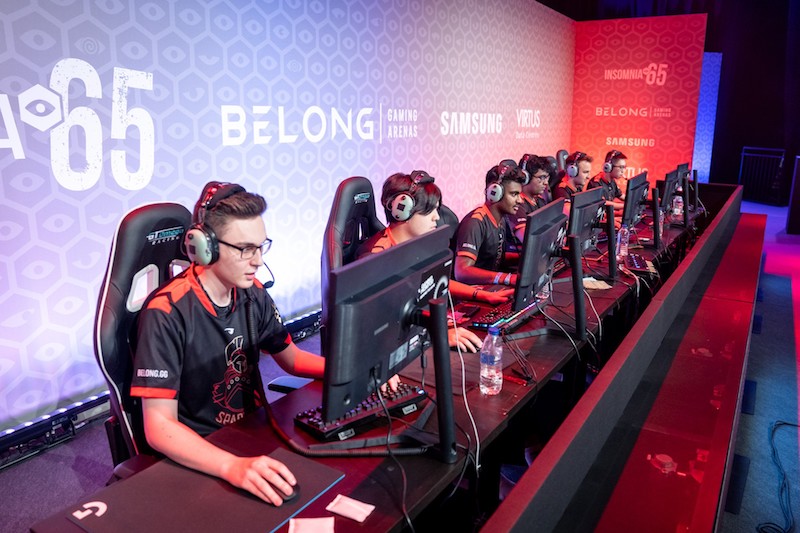
Esports is no longer a niche hobby in Oman. Gaming venues across the country are reporting rising participation, competitive tournaments are drawing enthusiastic players, and simulation technology is helping enthusiasts develop practical skills beyond the screen
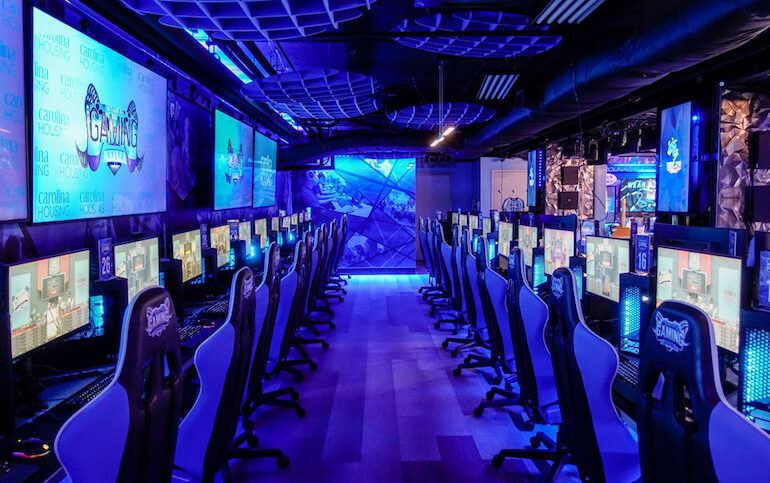
Walk into an eSports arena in Oman filled with enthusiastic players and you will instantly be immersed in a high-octane, stadium-like environment characterised by sensory overload, intense camaraderie, and cutting-edge technology.
Massive visual spectacles (you see giant, suspended LED screens and jumbotrons broadcasting live gameplay, brilliant laser lights, strobes, etc) get the better of you while deafening audio emanating from various stations and glass booths and palpable energy of excited players and fans make you forget your cares and get lost in a new world of digital ecstacy.
What was once viewed largely as a pastime, however, is fast becoming a thriving industry in the Sultanate of Oman. From packed gaming arenas and competitive eSports tournaments to racing simulators and international snooker championships, electronic gaming is evolving into a space where entertainment, education and economic opportunity intersect.
Industry experts, gaming centre operators and players say the sector is growing rapidly, creating environments that foster competition, develop skills and uncover talent across a wide range of age groups.
In Dakhliyah governorate, gaming centres are experiencing unprecedented demand. Ibrahim bin Saif Al Saifi, Manager of 808 Entertainment Hall, said EA Sports FC remains the venue’s most popular title, with the PlayStation 5 drawing visitors through its advanced graphics and immersive gameplay.
According to Al Saifi, the centre attracts visitors between the ages of 12 and 45, with young people making up the majority of its clientele. The hall hosts around three eSports tournaments annually, each attracting approximately 48 competitors, reflecting the growing appetite for organised competitive gaming.
Beyond electronic games, the venue has also witnessed a strong revival in traditional cue sports. Al Saifi said the hall regularly stages official snooker and billiards tournaments that adhere to recognised standards and help identify promising local talent.
Looking ahead, he called for stronger institutional support, official sponsorship of tournaments and increased investment to help Omani players compete on international stages.
Oman’s growing reputation in competitive gaming and cue sports is also being reflected through major international events.
Bassam Al Yousfi, receptionist at SB Arena, Muscat, highlighted the venue’s role in hosting the World Snooker Championship at the Oman Automobile Association under the patronage of His Highness Sayyid Dr Kamil bin Fahad Al Said, which brought together 73 players from 21 countries.
Al Yousfi noted that both snooker and billiards remain popular among visitors aged between 10 and 60. While billiards offers an accessible starting point, he explained that snooker demands greater tactical precision, making billiards an ideal foundation for players seeking to master the sport.
He also stressed the arena’s commitment to safety, noting that children under the age of 15 must be accompanied by a parent or guardian.
Meanwhile, at Esport Arena, attention is focused on simulation gaming and cognitive development. Supervisor Mohammed Samir Mohammed said the racing simulator Assetto Corsa has become one of the venue’s standout attractions because of its highly realistic driving physics. The simulators are regularly used by local drifting enthusiasts as a safe virtual training platform to refine driving techniques before taking them onto real tracks.
The arena has also partnered with Oman Refreshment Company to organise a free Assetto Corsa Time Attack Championship, attracting 30 competitors from various nationalities. At the same time, titles such as Fortnite continue to dominate among teenagers aged 11 to 18.
Mohammed believes gaming can help develop valuable life skills, including concentration, rapid decision-making and teamwork. However, he also advocates responsible gaming, drawing from his own experience with gaming addiction.
He urged parents to closely monitor children aged five to 10, warning that excessive and unsupervised screen time can negatively affect speech development and social interaction.
Many young Omanis are also demonstrating that gaming can complement academic and professional success when approached with discipline.
Raad Al Ishaqi, an avid gamer, uses racing simulators to deepen his understanding of vehicle mechanics and automotive engineering. To maintain balance, he limits gaming to two or three hours each day and takes regular breaks to ensure it does not interfere with his career, family life or personal responsibilities.
Similarly, Mohammed bin Abdullah Al Mahrouqi, an Information Systems student, has watched his childhood hobby evolve alongside advances in gaming technology. To protect his academic performance, he relies on a simple but effective strategy – using a physical timer to keep gaming sessions within strict limits.
Like many industry professionals, Al Mahrouqi believes video games should be viewed as a tool for cognitive development and self-improvement rather than an obstacle to future success.
As electronic gaming becomes an increasingly familiar part of children’s daily lives, Dr Haitham Al Hajri, an IT cybersecurity specialist, believes its benefits can be significant when paired with responsible use and active parental involvement.
“Gamification has become a popular educational tool in many areas of learning,” he said. “Today’s games often take place in cyberspace where children develop collaboration, leadership, planning, communication and decision-making skills. When played in moderation under parental supervision, and within a safe and controlled environment, electronic games can enhance creativity, digital literacy, concentration and problem-solving while helping build confidence and positive character.”
Dr Al Hajri added that many modern games encourage analytical thinking and resilience by requiring players to solve increasingly complex challenges.
“Many modern games require children to analyse situations, think strategically and solve increasingly complex challenges to progress through different levels. They also encourage quick decision-making, adaptability and resilience. Multiplayer games in particular strengthen communication, collaboration and teamwork as players work together to achieve common objectives,” he said, emphasising that parents play a central role in creating a healthy gaming environment.
“Parents have a vital role in ensuring gaming remains a positive experience. They should choose age-appropriate games, set healthy screen time limits and encourage a balanced lifestyle that includes education, physical activity and family time. Parents are also encouraged to participate in gaming with their children, understand the games they play and engage in open conversations about their online experiences. This strengthens trust and helps children develop safe digital habits.”
Cybersecurity, he added, must remain a priority as children spend more time online. “Parents should educate their children never to share personal information online, avoid clicking suspicious links and never download applications or files from untrusted sources. Investing in reliable parental control solutions can help safeguard children’s digital identities and protect them from harmful websites, malicious content and online threats. Parents should also enable privacy settings, teach children how to recognise scams and cyberbullying, and encourage them to report any suspicious or inappropriate behaviour. Open communication remains the most effective way to keep children safe in the digital world.”
Dr Al Hajri concluded that electronic games can become powerful tools for learning and personal development when combined with responsible use, parental engagement and strong cybersecurity awareness.
The experiences of gaming centre managers, players and technology experts point to a sector that has expanded well beyond entertainment. Electronic gaming in Oman is increasingly serving as a platform for developing technical, cognitive and social skills while identifying new talent and strengthening the country’s growing eSports ecosystem.
Alongside the continued popularity of snooker and billiards, the industry reflects the widening range of recreational and sporting opportunities available to Omani youth. With sustained public and private investment, stronger institutional support and continued emphasis on responsible gaming and digital safety, Oman appears well positioned to strengthen its presence in the regional and international gaming landscape while nurturing the next generation of players, competitors and innovators.
(Contributed by: Yusuf al Gharibi)
© 2021 Apex Press and Publishing. All Rights Reserved. Powered by Mesdac