Muscat – Majlis A’Shura on Thursday concluded its discussion of the statement delivered by H E Saeed Hamoud al Maawali, Minister of Transport, Communications and Information Technology, with members calling for stronger support for the digital economy, empowerment of national technology firms and a clearer strategy to enhance the role of Oman’s ports in global logistics.
During the session, members stressed the need to foster an innovation-driven environment and strengthen the role of Omani companies in cybersecurity and artificial intelligence. They said this is essential to achieving the goals of Oman Vision 2040 and expanding the contribution of the digital economy.
Several members also called for reviewing plans to enhance the added value of the sultanate’s ports in order to maximise economic returns and diversify sources of national income. They noted that current regional developments present an opportunity for Oman to strengthen its position as a global logistics hub.
At the same time, members highlighted challenges related to weak integration between ports, free zones and transport infrastructure. They stressed the importance of direct connectivity and unified operational strategies to fully utilise existing capabilities.
Members also proposed simplifying the ports and logistics ecosystem through a unified regulatory authority, standardised licensing procedures and streamlined customs processes to improve the investment climate and boost competitiveness.
Shura members raised questions about government plans for the cybersecurity sector, calling for greater empowerment of national companies and gradual privatisation in parts of the telecommunications and information technology sector. They emphasised the importance of achieving digital sovereignty and warned of potential risks linked to foreign dominance in smart technologies and software.
The discussion also touched on the government’s digital transformation agenda, which members described as a national priority. They questioned the pace of progress and called for stronger coordination between government entities to develop national digital capabilities and align them with labour market needs, particularly in artificial intelligence and emerging technologies.
Members also pointed to weaknesses in telecommunications networks in some areas, noting that service disruptions have affected remote education and daily communications during exceptional circumstances. They stressed the need to accelerate digital infrastructure projects and ensure network reliability.
Issues related to citizen services were also raised. Members called for studies on reducing ferry fares or granting temporary exemptions for certain groups in some wilayats. They also urged a review of domestic air ticket prices, particularly for students and patients, to help ease living costs.
Infrastructure challenges were another key concern. Members highlighted repeated road disruptions caused by wadi flows, which interrupt essential services and limit access to healthcare and economic facilities. They stressed the need to prioritise road and bridge projects to strengthen connectivity between wilayats and support economic activity.
Members also emphasised the importance of greater transparency in project implementation, calling for clearer disclosure of tender status, contractor details, project costs and implementation phases. They said this would improve efficiency and accountability.
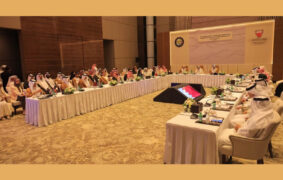
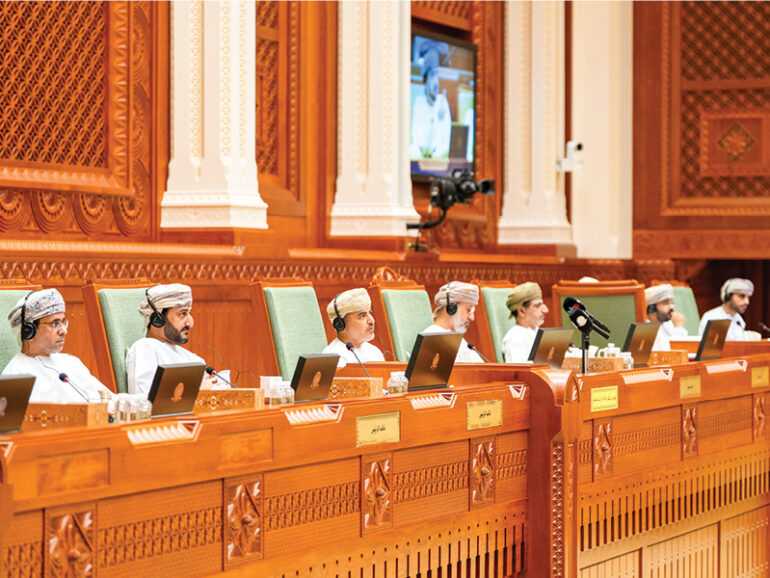
The discussion took place during the 15th regular sitting of the third annual session (2025–2026), chaired by H E Khalid bin Hilal Al Maawali, Chairman of Majlis A’Shura, in the presence of shura members and Ahmed bin Mohammed al Nadabi, Secretary-General of the Shura.
© 2021 Apex Press and Publishing. All Rights Reserved. Powered by Mesdac