S&P Global has affirmed Oman’s investment-grade sovereign credit ratings at ‘BBB-’ for the long term
Muscat – The world’s biggest credit rating agency, S&P Global, has affirmed Oman’s investment-grade sovereign credit ratings at ‘BBB-’ for the long term and ‘A-3’ for the short term, maintaining a stable outlook. The agency cited the sultanate’s strong fiscal buffers and continued resilience despite heightened geopolitical risks in the Middle East.
In a report released on Friday, S&P said Oman’s solid external and fiscal position – supported by liquid government assets exceeding 40% of GDP and foreign currency reserves close to 20% of GDP – would help safeguard its creditworthiness, even as regional tensions remain elevated.
S&P noted that Oman’s unique geographical position has allowed it to continue exporting oil and gas without disruption since February 28.
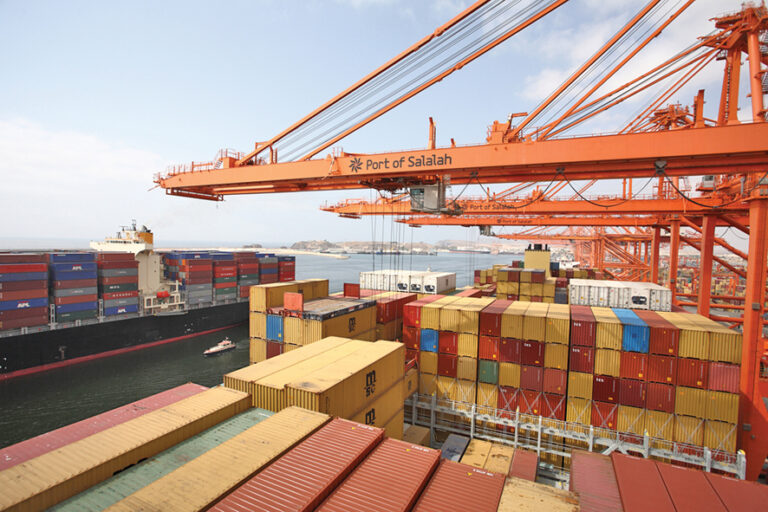
‘Oman is the only Gulf state whose hydrocarbon exports do not depend on the Strait of Hormuz, significantly reducing its vulnerability to maritime disruption. Oman exports oil and gas primarily through ports that have direct access to the Arabian Sea, such as Duqm Port, Mina al Fahal and Port of Salalah, which bypass the strait. Although drone strikes caused a precautionary pause at the Port of Salalah in early March, disruptions appear to have been contained,’ S&P said.
Amid ongoing instability in regional trade routes and the effective closure of the Strait of Hormuz, Omani crude has been trading at a substantial premium, the agency noted. These developments, S&P said, are expected to help keep Oman’s fiscal and external balances in surplus in 2026, given the economy’s heavy reliance on hydrocarbons.
S&P expects the ongoing Middle East conflict to have a mixed economic impact. While higher oil prices are generating a positive terms-of-trade shock – supporting fiscal and external surpluses – economic growth is likely to moderate. Oman’s real GDP growth is now projected at 1.4% in 2026, down from an earlier estimate of 2.2%, as uncertainty weighs on investment, tourism and trade-related sectors. Growth is expected to average around 2.3% over the period 2027–2029, according to the
‘Oman has historically maintained good relationships with its neighbours, preserving its traditional role as a neutral player and mediator in the region. Although instability is currently heightened, we expect Oman will remain resilient to regional geopolitical conflicts,’ it noted.
Despite external pressures, Oman’s fiscal outlook remains broadly stable. S&P expects the government to balance its budget in 2026, supported by an assumed Brent oil price of $80 per barrel and steady crude production of around one million barrels per day. Oman’s government debt, as per S&P, is projected to decline to around 31% of GDP by 2029, from approximately 35% in 2025.
On the external front, Oman is expected to maintain a current account surplus of about 2.3% of GDP in 2026, supported by strong hydrocarbon exports.
Looking ahead, S&P said Oman will maintain sufficient buffers to withstand external shocks, barring a severe escalation in regional conflict that could disrupt oil production or reverse fiscal consolidation gains.
© 2021 Apex Press and Publishing. All Rights Reserved. Powered by Mesdac