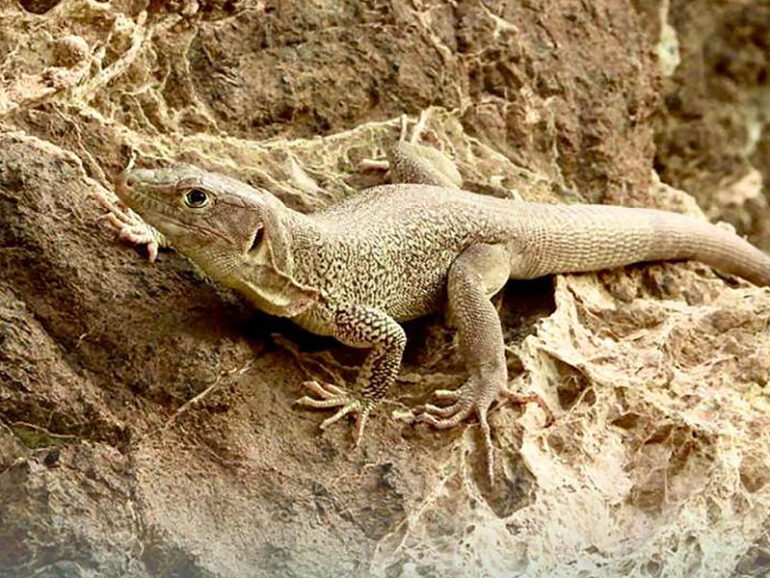
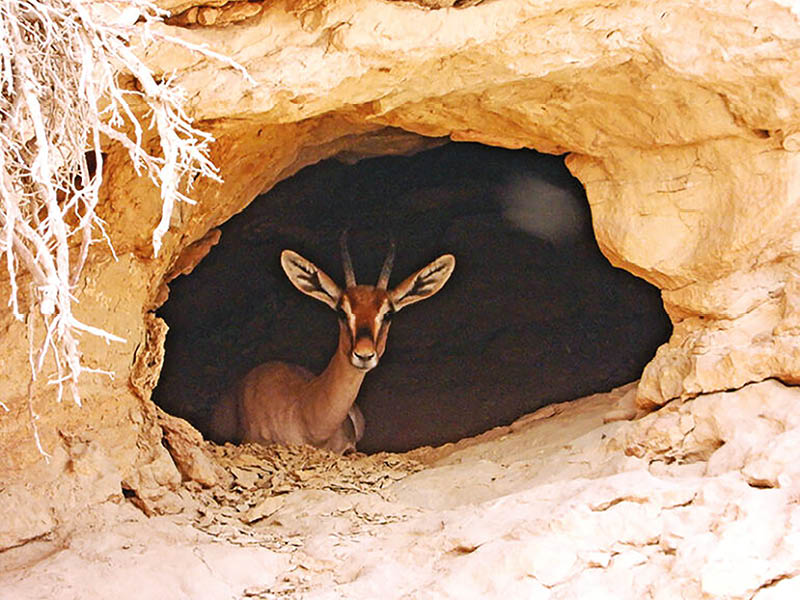
Muscat – Camera traps installed in various regions of Buraimi governorate have successfully captured images of rare animals, according to an official from the Environment Authority (EA).
The camera traps have documented the presence of Arabian deer, red foxes, ibex, reptiles and rare birds.
An EA official informed that these hidden camera traps, equipped with smart sensors, are strategically placed in rugged areas and wadis. These monitor animal movement in the dark, facilitating the collection of wildlife data by the environment management team across different wilayats of the governorate.
“After retrieving the images from the cameras, these are sorted, analysed and categorised based on the location from where retrieved. The compiled data is then submitted to the authority for inclusion in its database. This valuable information serves as a foundation for projects and plans aimed at protecting wildlife in the sultanate,” the official said.
Camera traps play a significant role in accurate monitoring of wildlife, ensuring effective implementation of protective policies. Highlighting the efforts of EA, an environment inspector said, “In June 2023, the first phase of the National Biodiversity Survey in Buraimi Governorate was completed. Preliminary field surveys revealed the existence of 11 bird species, three wild mammal species and six reptiles.”
The survey also found remains of wild mammals, including sand cats, Arabian tahr and lynx.
A similar survey in Dhahirah indicated the presence of 12 bird species, two wild mammal species, three reptiles, as well as footprints and remains of four wild mammal species like mountain foxes and wild rabbits.
Elaborating on the National Biodiversity Survey project, the official explained its objective of building a comprehensive national database of species, particularly focused on wild mammals. “The project aims to document and update data on the distribution of animals and the changes they undergo due to economic and urban activities. With a census plan encompassing all medium and large wild mammal species, the project emphasises the provision of accurate statistics.”
The use of camera traps and the National Biodiversity Survey project contribute significantly to the preservation and understanding of Oman’s wildlife. By capturing rare animal sightings and compiling essential data, these efforts serve as crucial foundations for conservation and informed decision-making.
© 2021 Apex Press and Publishing. All Rights Reserved. Powered by Mesdac