Ramadan is an ideal time to recharge our spiritual energy, purify our hearts and clear our minds as we rid our bodies of toxins. Although the holy month provides a chance to cleanse our body through fasting, people who suffer from chronic ailments like kidney disease, diabetes, high blood pressure and heart disease should consult their doctor to decide whether they can fast.
Advanced kidney disease, heart failure, severe diabetes, very high blood pressure, severe heart disease, cancer patients, those on chemotherapy, and those suffering from acute serious illness are exempted from fasting.
Blood donation
Healthy adults can donate blood during Ramadan. It should be done soon after iftar and donors must make sure to drink plenty of water after donation.
Pregnant/nursing women
Pregnant women should be exempted from fasting. Healthy nursing mothers can fast, provided they are able to breast feed the baby and take plenty of nutritious food.
Ideal meal
An ideal meal contains a good amount of complex carbohydrates like wholemeal flour and parboiled rice with beans, lentils, green vegetables etc. Fibre-rich food digest slowly and release energy slowly – apricots, green beans, vegetables and fruits with skin, prunes and figs are few examples.
Drink fresh juices and plenty of water till suhoor. Avoid carbonated drinks, fried foods, fast foods and processed food as these take out plenty of water from your body and don’t digest easily, which may precipitate low sugar and fatigue.
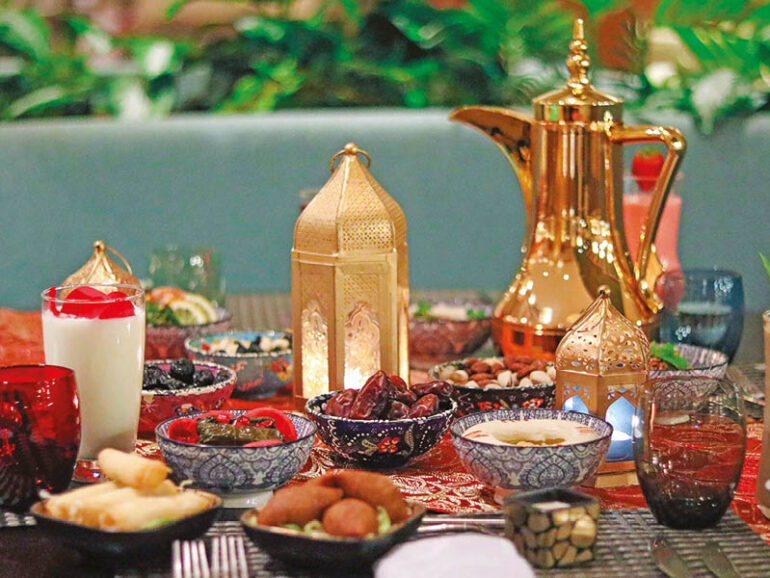
Iftar
Start with 1-2 dates following a prophetic tradition, which provides a burst of energy, followed by a cup of fresh juice, fruits and a little traditional snacks with less oil. The next meal should be after prayers, which should be a balanced meal with plenty of fibre-rich food. One can have rice and whole wheat based preparations; meats should preferably be curry based or grilled rather than fried. Drink plenty of water.
Suhoor
Suhoor should be a wholesome meal to provide you enough energy for long hours of fasting ahead. The diet should be slowly digesting type. Keep a gap between suhoor and fajr to give you enough time to drink plenty of water.

Dr Basheer Alikaparambil
HOD, Internal medicine & Diabetology
Badr al Samaa Hospital, Ruwi
© 2021 Apex Press and Publishing. All Rights Reserved. Powered by Mesdac