
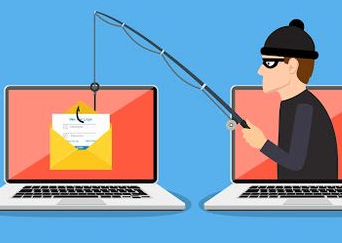
Muscat – Attacks related to data loss threats – phishing and scam/social engineering – increased significantly in the second quarter of 2022 at 192 per cent compared to the previous quarter in the sultanate.
Analysis by the global cybersecurity and digital privacy company Kaspersky has indicated that its security solutions detected 865,691 phishing attacks in Oman in Q2 2022.
During vacation season, in particular, scammers try to lure travellers looking for interesting places to go, cheap places to stay and reasonably priced flights, the company stated.
Kaspersky researchers observed intensified scamming activities, with numerous phishing pages published under the guise of airline and booking services. The number of attempts to open phishing pages related to booking and airline services in the first half of 2022 was 4,311 in META region.

“Planning a vacation is not easy. People can spend weeks, even months, looking for the perfect place to stay and the tickets to get them there. Fraudsters use this to lure users that have grown tired of searching for great deals. After two years of flight restrictions imposed by the pandemic, travelling is back. But so are travel scams – with intensified scamming activity targeting users through fake booking and rental services. Such attacks are totally preventable, which is why we urge users to be skeptical about overly generous offers. If an offer seems too good to be true, it probably is,” said Mikhail Sytnik, security expert at Kaspersky.
Social engineering – sometimes called ‘human hacking’ scams – are used in many ways, and for different purposes, to lure unwary users to the site and trick them into entering personal information. The latter often includes financial credentials such as bank account passwords or payment card details, or login details for social media accounts. ‘In the wrong hands, this opens doors to various malicious operations, such as money being stolen or corporate networks being compromised,’ the company said.
Phishing is a strong attack method because it is done at a large scale. By sending massive waves of emails under the name of legitimate institutions or promoting fake pages, malicious users increase their chances of success in their hunt for innocent people’s credentials.
Phishers deploy a variety of tricks to bypass e-mail blocking and lure as many users as possible to their fraudulent sites. A common technique is HTML attachments with partially or fully obfuscated code. HTML files allow attackers to use scripts, obfuscate malicious content to make it harder to detect, and send phishing pages as attachments instead of links.
© 2021 Apex Press and Publishing. All Rights Reserved. Powered by Mesdac