 By
By
Muscat – Mombasa, the second largest city in Kenya with the highest Muslim population in the county, is far more vibrant during Ramadan. In a tradition passed on from generations, every day between 4pm and dusk, vendors line up in markets, selling a variety of coastal snacks at affordable prices.
In today’s edition of the ‘Ramadan around the world’ series, we visit Mombasa. Its original Arabic name is Manbasa. In Kiswahili, it was called ‘Kisiwa Cha Mvita’, meaning ‘Island of War’ due to the many changes in its ownership. The majority of inhabitants are of Arab origin from Oman and Yemen, and from other Asian countries.
Interestingly, Swahili food has a lot of Arab and Indian influences. “The influence of coastal food is most evident during Ramadan when different food cultures come together. Most households break their fast with dates, water, packed potatoes, falafel and shurba, and then go for Maghrib prayers to return for the main meal,” Halimabai Saleh Mohamed, Mombasa resident told Muscat Daily from her home.
“The main meal consists mostly of mahamri (fried soft sweet bread) and mbaazi (pigeons beans) cooked in coconut milk. This is in addition to coconut fish curry and rice. We also have sweet preparations – like pumpkin, sweet potatoes and plantain – cooked in coconut milk,” she added.
In Mombasa, traditional coastal dishes, such as muhogo wa nazi (cassava in coconut), mbaazi ya tuwi ya nazi and mahamri are popular. Each family has a favourite menu. The tradition is to mix salty and sweet preparations to complement each other.
After iftar, some families go out for walks – called kushukisha uji – in an old tradition. Fasting all day and feasting in the evening causes discomfort in the stomach. Walks are advised to assist in digestion.
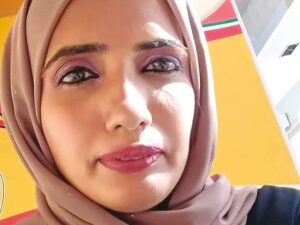
“We start preparations for iftar before noon on the main dishes and prepare for the snacks and dessert, if any, later. We go for noon prayers and then head back to the kitchen an hour before iftar to make snacks, tea and arrange the table for iftar.” Halimabai said.
“After iftar, we have a 90-minute break before Isha and Taraweeh prayers. After Taraweeh, many head to the town centre where food vendors display various delicacies, including smoothies, barbecue items, desserts and cold juices. The outdoor location is full of ambiance and everyone looks forward not only to the food but also for Eid shopping. Shops are open till late night during Ramadan,” she added.
Despite major changes in Mombasa, many traditions stay the same year after year passed on for generations. “What is unique in our country during Ramadan is that everyone tries to help the less privileged and orphans. We also get more involved in good deeds like digging bore wells and building mosques by collecting funds. We also cater to those in need of daily iftar,” Halimabai said.
“Another tradition still practised during Ramadan is that of sharing our iftar with friends, family and neighbours.”
In the lead up to Ramadan, everyone gets busy getting essentials. People tend to stock up on groceries so they don’t have to go shopping during Ramadan, although culturally, markets are always a popular meeting place.
© 2021 Apex Press and Publishing. All Rights Reserved. Powered by Mesdac