 By
By
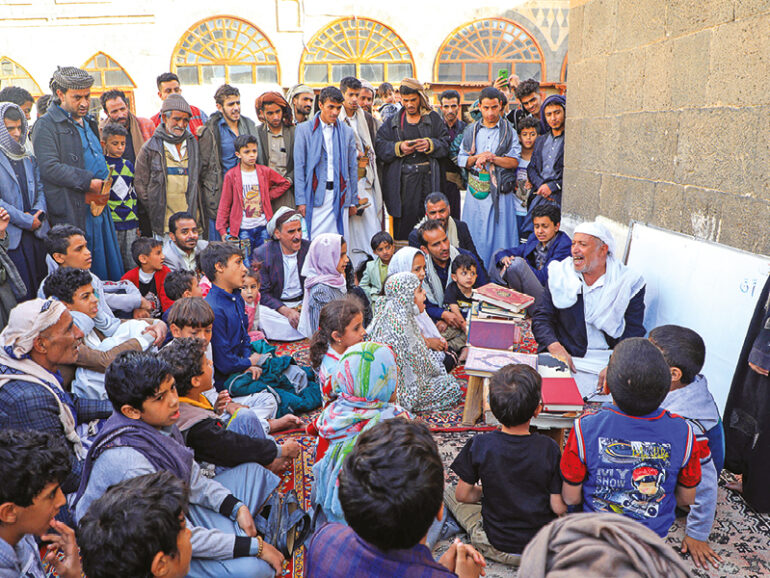
Muscat – After Yemen’s warring factions laid down their weapons for the first nationwide truce since 2016 on the eve of Ramadan, there has been a collective sigh of relief in the war-torn country. Yemenis finally have some respite from the war and are able to observe Ramadan in peace.
In today’s edition of ‘Ramadan around the world,’ Muscat Daily speaks with Ahmed Ali Karama from Sanaa, Yemen. He describes Ramadan as a month for repentance, sharing, loving and giving without expecting anything in return.
“During Ramadan, people exercise being good Muslims. We are all excited about the month. It is different from all other months because people get to enjoy, forgive and visit their relatives. Nights turn into day during Ramadan; streets are full of people till late at night, while during the day, all are asleep till noon,” Karama said from Sanaa.
According to the United Nations, the intractable war has killed hundreds of thousands directly or indirectly and displaced millions, triggering the world’s worst humanitarian crisis. Earlier ceasefires were ineffective. A national truce ahead of peace talks in April 2016 was violated almost immediately, as were other ceasefires that year.
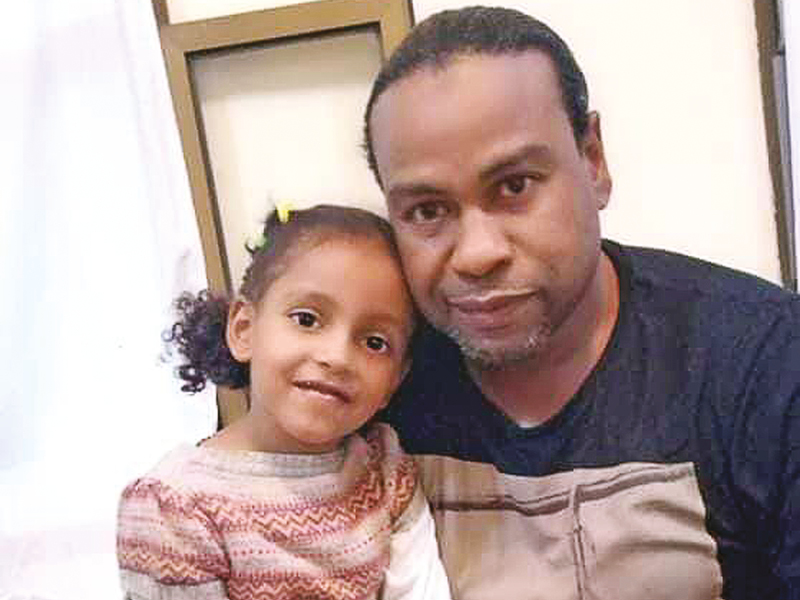
“But we are optimistic this time because of the fact that it comes with Ramadan. This gives us a lot of hope,” Karama said.
According to AFP, the ceasefire agreement calls for all ground, air and sea military operations in Yemen and across its borders to stop while 18 fuel ships will be allowed into Hodeida port and two commercial flights a week can resume in and out of Sanaa.
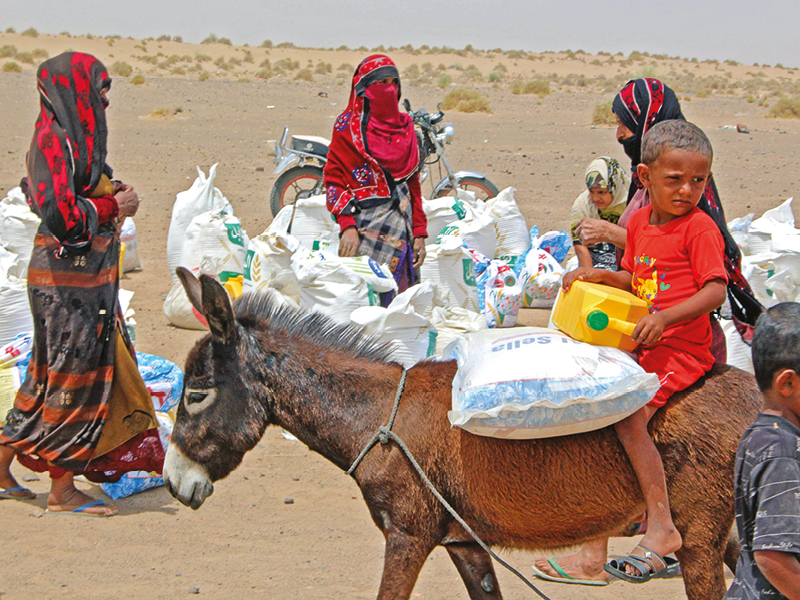
Traditions like gathering around iftar meals have been hard to uphold. “We are trying hard to have a semblance of the traditional Ramadan activities because of difficulty in getting even the basics. With no jobs, we are unable to afford proper meals but by the grace of Allah, we manage,” Karama said.
Even as people fast during the day, many struggle to find food to put on the table for their families at iftar. “But the markets are busy with people selling and buying different kinds of foods and snacks,” Karama said.
“We start preparing iftar in the afternoon at around 3pm. After iftar and Maghrib prayers, we go to the mosque for Isha and Taraweeh. After prayers, some go back home and watch TV, others spend time with family and friends. Shopping and going out for walks after dinner are also popular activities.”
On Yemen’s unique traditions during the holy month, Karama said, “People prepare special dishes like salta, hanid, fattah, shafout, morug bread, mandi, shorba, samosa and different kinds of sweets.”
Dates, lemon juice, shorba, samosa, shafout, mohalabia, mandazi, bisbosa and bint asohan sweet are the most common items during the month.
“But the reality is, people are crushed and cannot buy even the basics for the month of Ramadan,” Karama said.
© 2021 Apex Press and Publishing. All Rights Reserved. Powered by Mesdac