 By
By
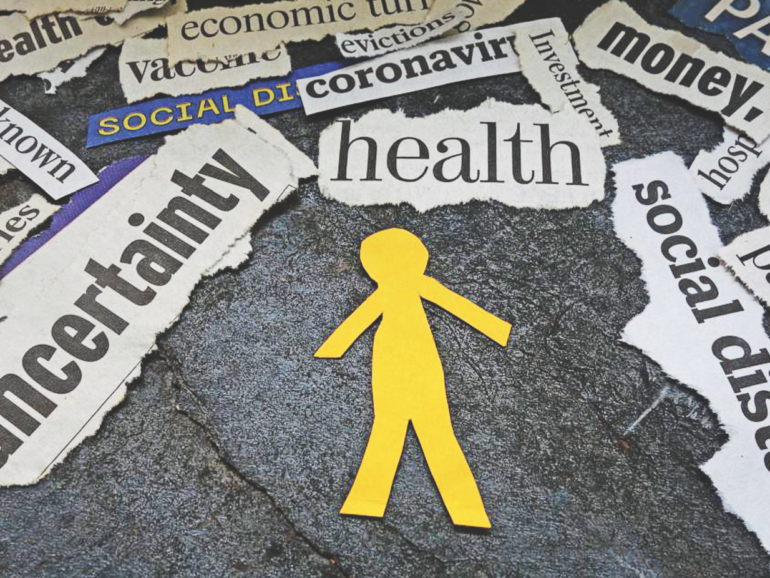
Muscat – A study on the social and behavioural changes among COVID-19 recovered patients in Oman has raised concern about mental and psychological health during the pandemic.
Considering the fact that the pandemic may continue for an even longer period of time, people will have to cope with a high level of stress, anxiety and depression.
The study – titled ‘Public Health Messages for Social Behaviour Change in the Wake of COVID-19: A Qualitative Study’ published in Oman Medical Journal – targetted 40 participants divided into four focus groups for discussions conducted via video conferencing to record their insights on public health messages.
‘We are in the midst of an unprecedented era where social isolation, fear of infection, boredom, fake information, financial loss and stigma have affected almost everyone. We examined the impact of public health messages on people in adhering to the precautionary measures and recommendations and coping with stress,’ the study said.
The severity of COVID-19 has called for extreme measures, and ensuring people comply with recommended social behaviour changes is a challenge. ‘Public health messages are being sent out to the population to adhere to the precautionary measures.’
The study observed a generally positive attitude towards public health messages. However, it stressed that the nature of behavioural change recommended posed a significant risk for psychological health. ‘Lack of social interaction, for example, led to lower motivation, a sense of losing the meaning of life, and personal distress.
While all participants acknowledged and appreciated the government authorities’ efforts in disseminating and educating the masses on such a large scale using different modes of message delivery, all showed a serious concern on whether they will be able to continue coping with the ongoing situation.’
The study was conducted by lead authors Salah T al Awaidy and Fannah al Araimi from the Office of Health Affairs, Ministry of Health, and Sitwat Usman Langrial, Department of Information Systems and Technology, Sur University College.
According to participants, the messages had a significant impact on how people gradually started taking COVID-19 seriously. ‘Discussions revealed a general sense of emotional distress as a consequence of losing social life. Participants spoke about how they were ‘taking it easy’ in the beginning. However, as time passed and there was a spike in cases, people started fearing not knowing how to tackle the situation. The swiftness of the government in initiating a nation-wide campaign sharing information as well as precautionary measures was helpful.’
All participants expressed concerns about growing psychological stress. It was observed that the sudden change in social norms and behaviours brought with it stress, anxiety and depression. One participant highlighted the need for ‘enhanced mental health support’.
All participants believed that staying at home with no social life had negative psychological affects. “Besides social restrictions, the pandemic has made people suffer financially and mentally. The way people had to change their lifestyles in just a matter of days caused a great deal of distress,” said a 37-year-old study participant.
A significant number of participants shared their views about anxiety and depression as they were confined to their homes. Others added that losing jobs left many people in distress.
© 2021 Apex Press and Publishing. All Rights Reserved. Powered by Mesdac