 By OUR CORRESPONDENT
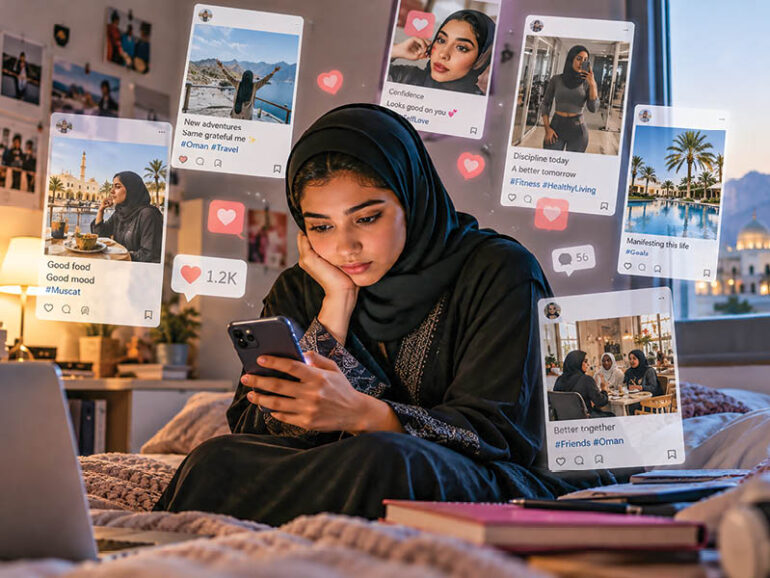
Muscat – What appears on social media is often only a carefully selected part of a person’s life, but constant exposure to images of success, travel, luxury and achievement can encourage young people to compare their lives with others and develop unrealistic expectations.
Omani twin influencers Al Sayyid Tariq Khalifa Said Al Busaidi and Al Sayyid Almundhir Khalifa Said Al Busaidi (The Twins 8) said influencers and content creators have a responsibility to present a more balanced picture of life.

They explained that people generally share positive moments, including achievements, travel and work experiences, while keeping personal struggles and difficult periods private. This can make young people feel that others are progressing faster or achieving more.
The Twins 8 encouraged young people to use social media as a source of inspiration rather than comparison, focusing on their own goals and recognising that everyone has a different journey.
Hafiz Muhammed Shoaib Nawaz, a media lecturer at BayanCollege, said the portrayal of “perfect lives” online can sometimes create a disconnect between young people and their authentic heritage.
Constant exposure to glamorous lifestyles, he said, may cause students to question their own reality and cultural values, contributing to self-doubt and anxiety and weakening their connection with local communities.
However, Nawaz noted that social media also provides opportunities for young people to showcase Omani culture globally, develop creative skills and access educational resources.
He stressed the role of teachers in grounding students in Omani values and helping them understand that social media presents curated highlights rather than the full picture.
Samira Tawfiq Alqarni, a mother of six, said social media and influencers can significantly affect children and young people, particularly when they constantly adopt lifestyles presented online.
Influencers often highlight travel, fashion and success while concealing their struggles, she said, potentially creating the impression that success and luxury are easily achieved.
Samira added that some young people imitate influencers’ behaviour, appearance or lifestyles without considering whether these choices reflect their own values. She stressed the importance of parental supervision and reminded young people that online content does not always reflect real life.
According to Abdullah Al Balushi, an educational consultant at Himmam Youth Foundation, the “ideal life” portrayed online can affect young people when it becomes a standard for comparison and self-evaluation.
Repeated comparisons may lead to dissatisfaction, anxiety and frustration, while creating unrealistic expectations about success and happiness, he said.
Al Balushi highlighted the importance of digital citizenship, saying young people need the ability to critically evaluate online content, manage their digital presence responsibly and maintain their identity and values.
He also stressed that families play an important role in building children’s character and psychological balance, noting that technology cannot replace parental guidance.
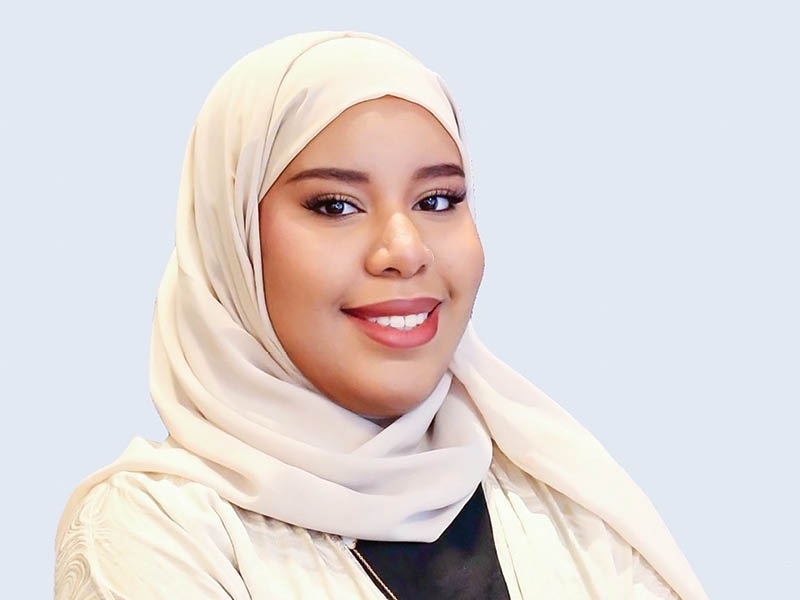
For Asma Abdullah Al Barwani, seeing people travel, achieve goals or secure good jobs can sometimes make her question whether she is doing enough.
However, she reminds herself that social media usually shows people’s happiest moments rather than their struggles. Everyone has their own journey, she said, adding that while social media can be motivating, taking a break from it can help young people appreciate their own lives.
(Contributed by Asrar Badar Al Zakwani)
© 2021 Apex Press and Publishing. All Rights Reserved. Powered by Mesdac