 By OUR CORRESPONDENT
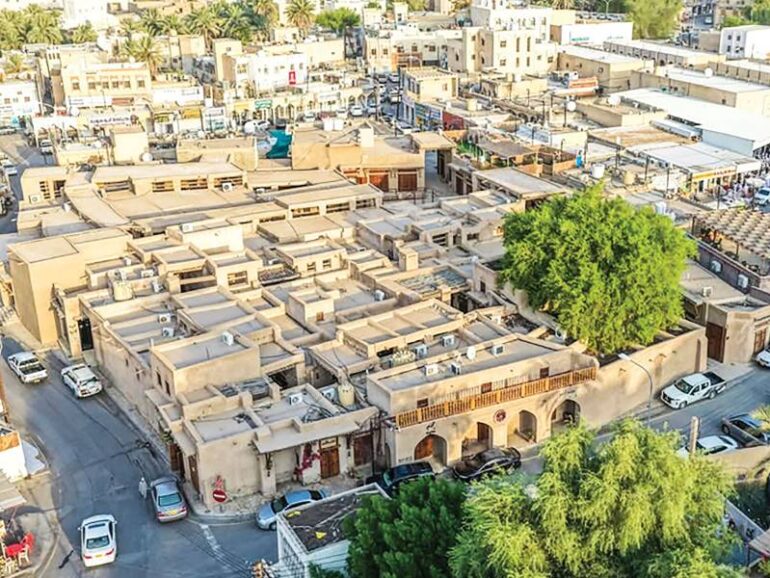
Nizwa – Bahla’s historic souq has received a major facelift costing more than RO477,000, with 62 shops renovated and its infrastructure and public facilities upgraded as part of efforts to revive the traditional market and strengthen its role as a commercial and tourism destination.
The project, completed by Dakhliyah Governorate, combines the preservation of the souq’s traditional architectural character with improvements to electricity, water, sanitation, pedestrian access, parking and visitor facilities.
The works are designed to make the historic market more attractive to visitors while providing a better environment for shop owners, artisans and small businesses.
Mohammed bin Ali Al Wardi, Director of Projects at Dakhliyah Municipality, said the project focused on rehabilitating the souq while preserving its heritage features and improving its infrastructure and services.
“The project came to rehabilitate Bahla Souq and preserve its heritage components while upgrading its infrastructure and services to meet the needs of shop owners and visitors,” he said.
The works included the restoration and refurbishment of shops, improvement of their facades, upgrading of internal pathways and facilities, and measures to improve movement and organisation within the souq.
Infrastructure improvements included upgrading electricity and water networks, improving the sewage system and constructing a 150m falaj channel. The project also included new parking areas, paved pathways and shaded pedestrian routes.
Overhead electricity lines were moved underground, improving the overall appearance of the souq while enhancing safety and services. Modern lighting compatible with the traditional character of the market was also installed, along with toilets and seating areas, while ventilation and shading were improved.
Ali bin Said Al Adawi, Acting Director of Bahla Fort Site, said the rehabilitation of the historic souq was an important step towards reviving one of the key cultural and economic components of Bahla Oasis, a Unesco World Heritage Site.
He said the souq was more than a traditional trading centre, describing it as a living record of Bahla’s traditional architecture, crafts and social heritage.
Its shops, pathways and internal spaces reflect the economic and social functions historically associated with the market, while its layout illustrates traditional urban planning practices in historic Omani settlements.
He said the project sought to strike a balance between preserving the souq’s historic identity and transforming it into a vibrant and sustainable commercial and tourism destination.
© 2021 Apex Press and Publishing. All Rights Reserved. Powered by Mesdac