
 By OUR CORRESPONDENT
Muscat – A specialised reptile breeding programme in Nizwa has successfully bred native and exotic species, providing new insights into reptile conservation and biodiversity research.
Researchers at the University of Nizwa have successfully bred three species: the puff adder (Bitis arietans), Arabian chameleon (Chamaeleo arabicus) – both collected from Dhofar – and the corn snake (Pantherophis guttatus), a non-venomous species native to North America.
Ahmed Al Busaidi, snake and wildlife specialist at the Natural and Medical Sciences Research Centre at the University of Nizwa, said the achievement followed extensive research into the reproductive biology of each species.
“The success is the result of extensive research and careful monitoring of each species’ reproductive behaviour. We studied the mating season of each species, suitable temperatures and the right time to place a male and female together. Once mating was confirmed, they were separated to ensure their safety and wellbeing,” he said.
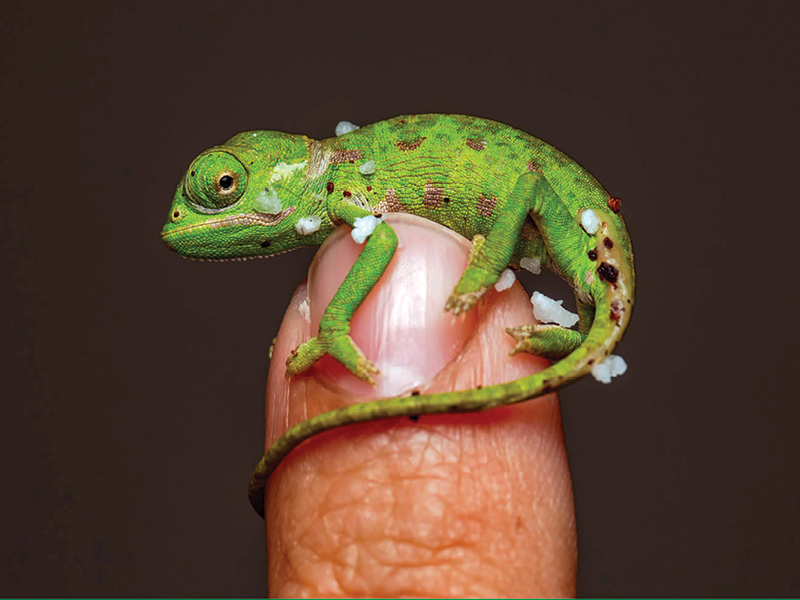
One of the programme’s most significant achievements has been the continued success in breeding the Arabian chameleon. The latest clutch produced 33 eggs, with 32 hatchlings emerging successfully, marking the fourth successful incubation of the species.
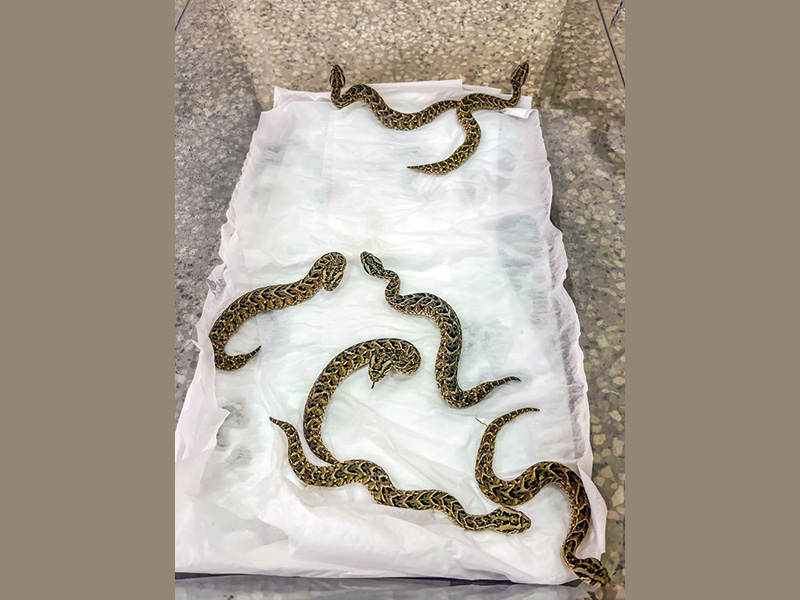
The puff adder (highly venomous viper species) breeding programme has also made progress. Four hatchlings from a clutch of 13 eggs survived and are currently four years old. More recently, four from among seven hatchlings survived and are now around 10 months old.
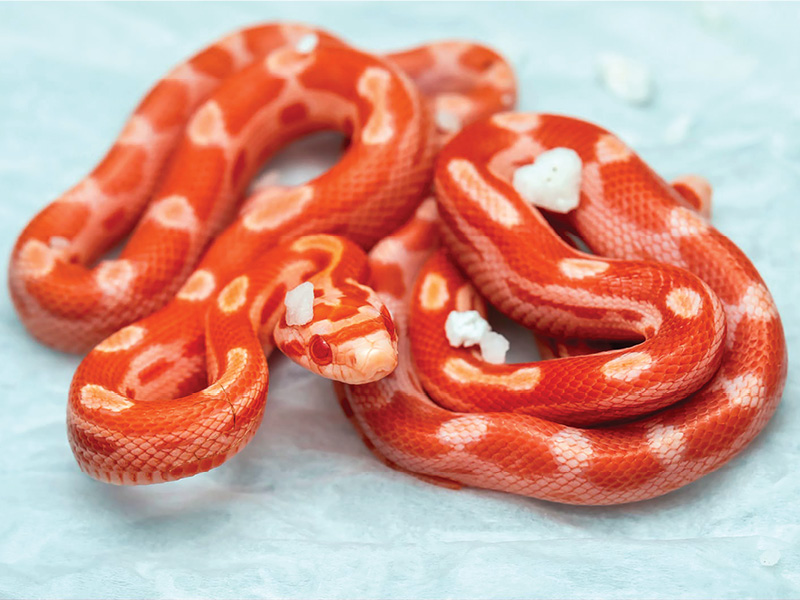
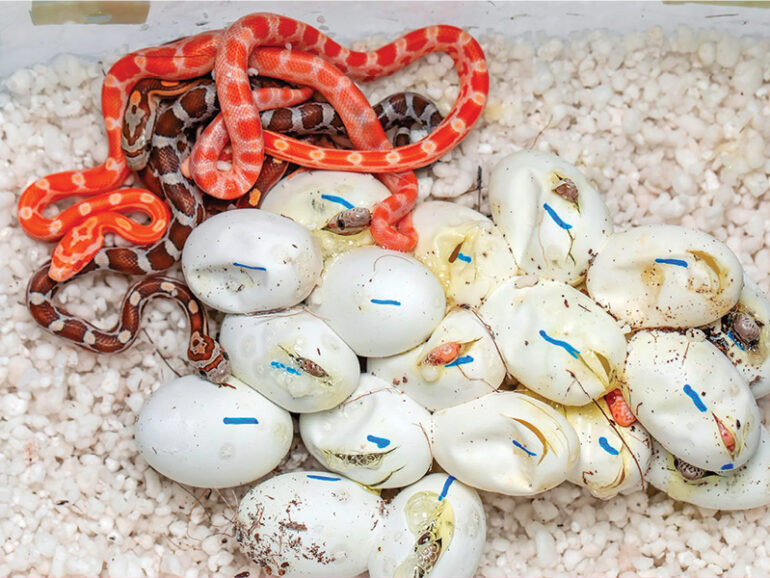
The corn snake breeding programme achieved 100% hatching rate. After successful fertilisation, a female laid 19 eggs, all of which hatched after 70 days, producing healthy snakelets.
Al Busaidi said researchers continue to maintain detailed records covering behaviour, feeding, water requirements, temperature and growth.
“This information helps us improve breeding techniques and could support future conservation efforts, including returning native species to the wild if needed,” he said.
The reptiles are kept in controlled environments designed to replicate their natural habitats. Species-specific enclosures are equipped with automated heating systems, temperature sensors and UV-B lighting to provide the ultraviolet radiation required for reptile health when direct sunlight is unavailable.
Snakes are maintained at temperatures between 27°C and 35°C, while Arabian chameleons require slightly warmer conditions. Diets are tailored to each species, with snakes fed mice and Arabian chameleons fed insects.
© 2021 Apex Press and Publishing. All Rights Reserved. Powered by Mesdac