
 By MOHAMMED TAHA
Muscat – The mandatory premarital medical screening programme has recorded strong public participation, with 17,189 individuals undergoing examinations during the first four months of 2026 – almost matching the total number of screenings conducted throughout 2025.
The Ministry of Health (MoH) said the increase follows the implementation of Royal Decree No 111/2025, which made premarital medical screening compulsory for Omani citizens from January 1, 2026.
Dr Raya bint Saeed Al Kamyani, Head of Preconception Care at the National Centre for Women’s and Children’s Health, said healthcare institutions across the sultanate have witnessed a significant rise in demand since the law came into effect.
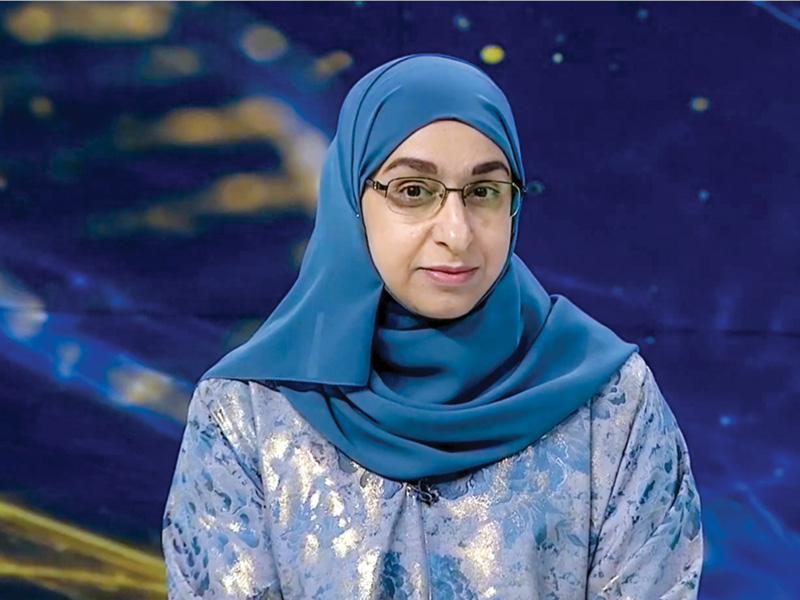
She attributed the surge this year to couples’ commitment to complying with the law and benefiting from the service.
According to preliminary figures, 93% of those screened were Omanis, while 7% were non-Omani residents.
To meet the increased demand, the ministry has expanded the service to most primary healthcare centres across Oman and accredited more than 20 private healthcare institutions to conduct the examinations through MoH-trained physicians.
The ministry has also introduced the Tawafuq digital platform, which electronically links screening records with the Notary Public system, helping couples complete marriage procedures more efficiently.
Officials said the programme’s success has also been supported by the nationwide ‘Make Your Start Right’ awareness campaign launched in 2025, which highlighted the importance of premarital screening and early detection of hereditary and infectious diseases.
The screening programme covers hereditary blood disorders, including sickle cell disease and thalassemia, as well as certain infectious diseases. It aims to reduce the transmission of inherited disorders to future generations, improve maternal and child health, and reduce the long-term burden on the healthcare system.
The ministry explained that many hereditary blood disorders are inherited through recessive genes, meaning the disease develops only if both parents carry the affected gene. Screening identifies symptom-free carriers and enables couples to understand potential risks before marriage. If both partners are carriers, each pregnancy carries a 25 % risk of producing a child affected by the disorder.
The MoH estimates that the treatment of hereditary blood disorders costs the sultanate approximately RO55mn annually. It said early detection and genetic counselling help reduce the medical, social and economic impact of these conditions while enabling couples to make informed decisions based on scientific evidence.
© 2021 Apex Press and Publishing. All Rights Reserved. Powered by Mesdac