 By OUR CORRESPONDENT
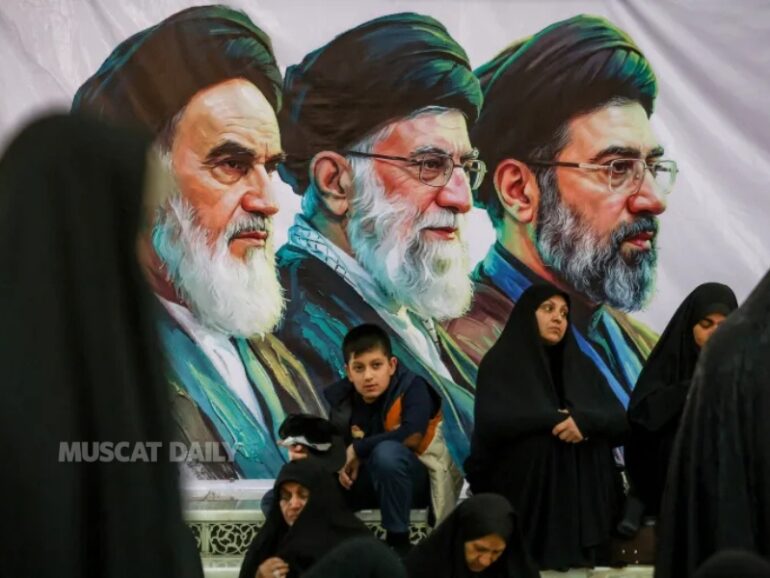
Tehran – The Islamic Republic of Iran is preparing to hold the largest state funeral in its history for the former Supreme Leader, Ayatollah Ali Khamenei, who was assassinated in a joint United States and Israeli strike on 28 February.
The elaborate six-day mourning ceremonies, which were delayed for four months due to the ongoing regional conflict, are scheduled to take place across five major cities in Iran and neighbouring Iraq from July 4 to 9. The proceedings will commence on Saturday at the Grand Mosalla prayer complex in Tehran, where the body of the late leader will lie in state.
Following public processions in the capital through Monday, the funeral cortege will move to the holy city of Qom on July 7, before crossing into Iraq for major ceremonies in the sacred Shiite cities of Najaf and Karbala. The late leader will then be returned to Iran for a final burial in his birthplace, Mashhad, at the historic Imam Reza shrine on July 9.
To manage the anticipated influx of 15 to 20 million mourners, Iranian authorities have placed the military and domestic police forces on high alert. Brigadier General Mohammad Akraminia confirmed that the army’s ground, naval, and air forces have expanded their presence across national borders to guarantee security, while the air defence force maintains continuous surveillance of the airspace.
Iranian officials are prioritising crowd management and careful choreography to prevent a repeat of historical crowd disasters. Senior dignitaries and representatives from over 30 nations—including Russia, China, India, Pakistan, Georgia, Uzbekistan, and Cuba—alongside religious figures from 90 countries, are expected to attend. Pakistani Prime Minister Shehbaz Sharif, whose administration has actively mediated regional peace efforts, confirmed his presence during a recent address to parliament.
In tandem with the funeral arrangements, intense diplomatic activity continues in the region. Qatari and Pakistani mediators concluded separate meetings in Doha with American and Iranian negotiators, reporting positive progress on the implementation of the Islamabad Memorandum of Understanding, which builds upon the outcomes of the earlier Lake Lucerne Summit.
Both sides have agreed to pause discussions and schedule the next round of indirect peace talks at the earliest opportunity following the conclusion of the funeral services.
Concurrently, Tehran has raised formal grievances on the international stage. Amir-Saeid Iravani, Iran’s ambassador to the United Nations, lodged an official protest with Secretary-General Antonio Guterres and the Security Council regarding threats made by Israeli Defence Minister Israel Katz against the newly appointed Supreme Leader, Mojtaba Khamenei. Iravani characterised the rhetoric as state terrorism and warned that Iran retains the right to defend its sovereignty against foreign aggression.
© 2021 Apex Press and Publishing. All Rights Reserved. Powered by Mesdac