 By OUR CORRESPONDENT
Muscat – The International Monetary Fund (IMF) has said Oman’s economy remains resilient despite ongoing conflict in the Middle East and is expected to post stronger growth in 2026, supported by higher hydrocarbon production, prudent macroeconomic policies and continued fiscal discipline.
Following its visit to Muscat, the IMF projected Oman’s economic growth to rise to around 3.7% in 2026, up from 2.4% in 2025, noting that the sultanate has so far weathered regional tensions with only limited impact on overall economic activity.
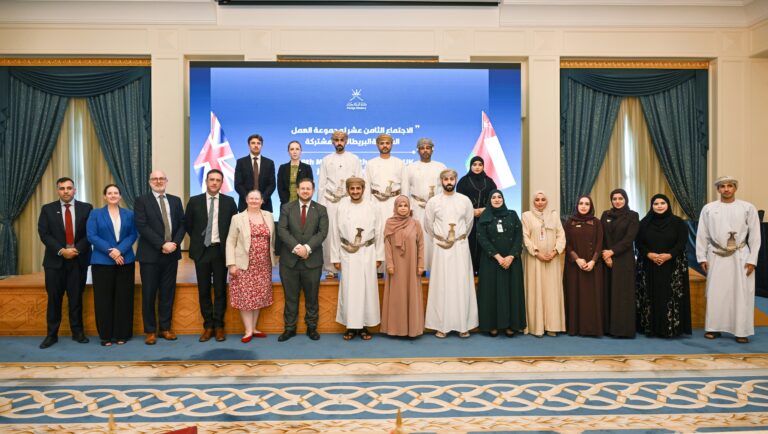
A team from the IMF, led by Abdullah Al Hassan, visited Oman between June 7 and 15 to discuss recent economic and financial developments, the outlook and the country’s policy priorities.
“Oman’s economy continues to demonstrate resilience in the face of headwinds from the war in the Middle East, with adverse impacts thus far limited to inflationary pressures and select non-hydrocarbon sectors,” Al Hassan said in a statement at the conclusion of the mission.
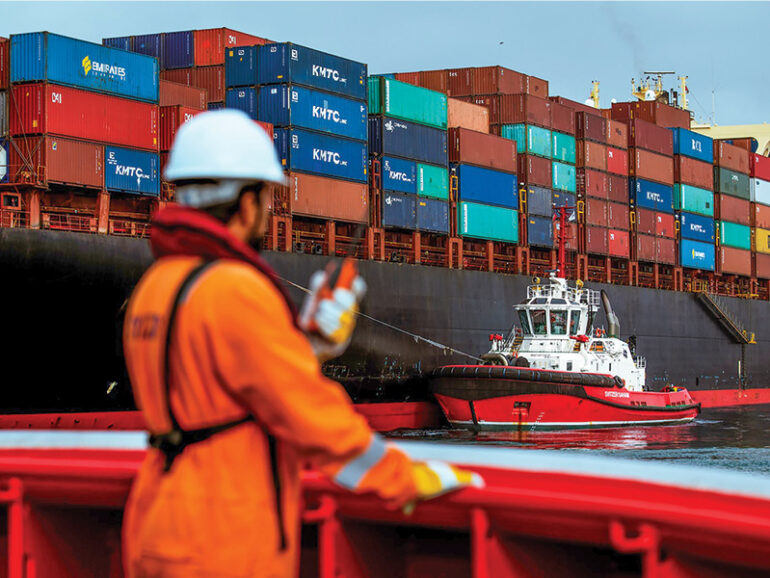
The IMF noted that Oman’s oil and natural gas infrastructure has remained largely unaffected, supported by key ports located outside the Strait of Hormuz bottleneck. This has enabled the country to increase oil production and exports amid regional supply disruptions.
“Strong growth momentum continues, while inflation is accelerating,” Al Hassan said. “Real GDP growth rose to 2.4% in 2025 from 1.6% in 2024, supported by both hydrocarbon and non-hydrocarbon activity. Growth is projected at around 3.7% in 2026, driven by higher oil production, and 3% in 2027.”
The IMF expects non-hydrocarbon growth in Oman to ease to 2.5% in 2026, reflecting the impact of regional conflict on tourism and construction, before recovering to 3.2% in 2027 on the back of a broader rebound. Average inflation remained contained at around 1% in 2025, before rising to 2.8% during January–May 2026 driven by higher food and transport costs.
Fiscal position set to strengthen
The IMF said favourable oil prices, combined with continued fiscal discipline, are expected to generate sizeable fiscal and external surpluses over the medium term and support non-hydrocarbon growth.
“After narrowing to 0.6% of GDP in 2025, reflecting lower oil prices and higher capital spending, the fiscal surplus is projected to widen to 4.5% of GDP in 2026 and 4.2% in 2027.”
The IMF acknowledged that Oman’s public debt continued its downward trajectory, reaching 34.7% of GDP by end-2025. The current account balance, which recorded a deficit of 1.9% of GDP in 2025, is expected to swing to a surplus of about 3% in 2026 and 2027, supported by stronger hydrocarbon revenues and steady growth in non-hydrocarbon exports.
However, the IMF cautioned that the regional geopolitical environment remains highly uncertain.
“Given uncertainty from the war, risks to the near-term outlook are tilted to the downside. A prolonged escalation could lead to a deeper regional and global slowdown, weighing on tourism, non-hydrocarbon exports and FDI inflows, and adversely affecting Oman’s growth as well as fiscal and external positions,” Al Hassan said.
He added that upside risks include a swift resolution of the conflict, sustained higher oil prices and production, increased regional logistics activity, and an accelerated pace of reforms under Oman Vision 2040.
“Going forward, sustaining momentum in policy implementation will be key to accelerating economic transformation while strengthening fiscal and external sustainability,” he added.
© 2021 Apex Press and Publishing. All Rights Reserved. Powered by Mesdac