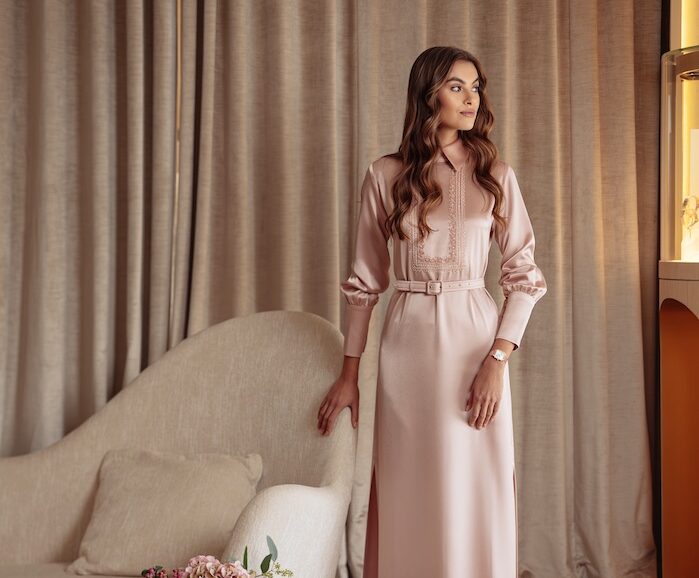
Omani fashion designers have been striving for long to grow beyond their borders in a world that is yet to open doors to them. Without a solid infrastructure in place, however, their exposure continues to be limited. The moot question is, not whether Omani fashion warrants a global stage but why they don’t have one yet
Fashion is a language that communicates to the world, and Omani fashion designers want to do just that, in a way that their designs speak volumes of their cultural nuances
By using their identity and culture in each piece, Omani fashion does not just exude talent, it creates an intersection between heritage and couture. Designers embed cultural identity in every design because it is the core of their craft. In doing so, Omani fashion spotlights the unique culture of Oman.
By meticulously highlighting Oman through their collections, a platform to source, materialise and showcase is needed, and yet, the ceiling for growth remains low. Fashion designers are building their names in Oman, and some may be regionally recognised; that’s where the influence stalls. Not because of who they are or the designs they create – if only the barriers weren’t so rigid.
Identity without borders
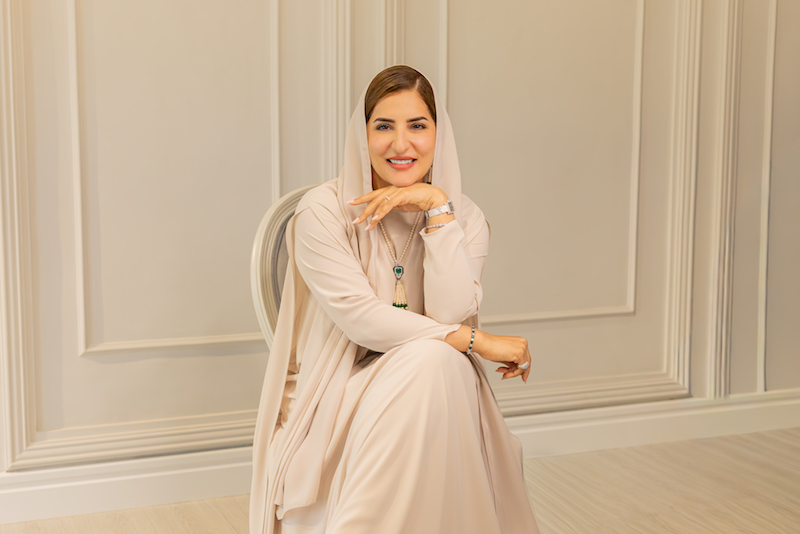
Despite the obstacles, Omani designers continue to create with identity as their focus, staying true to themselves and their heritage, while translating their identity for a wider, international audience.
“Omani culture is deeply rooted in my designs…through the details, textures, and craftsmanship,” observed prominent Omani designer Nawal Al Hooti. This subtle approach to identity means it can be tailored to not only exist in traditional wear, but also to be highlighted in contemporary styles.
By introducing modern signatures to conventional pieces, Omani fashion designers are beginning to balance tradition and modernity with ease. “I have never seen tradition and modernity as opposing forces,” noted Amal Al Raisi, a prominent Omani fashion designer.
Just as tradition and modernism coexist, local identity and international resonance can, too. “Wherever I go, I design with the same creative language and vision. One can always recognise my unique style and identity in each piece,” says another popular designer Laila Al Awadhi.
Local identity and global desires are not a juxtaposition to Omani designers, rather, the real problem arises when the means of articulating this is arduous to source.
Sourcing from scratch
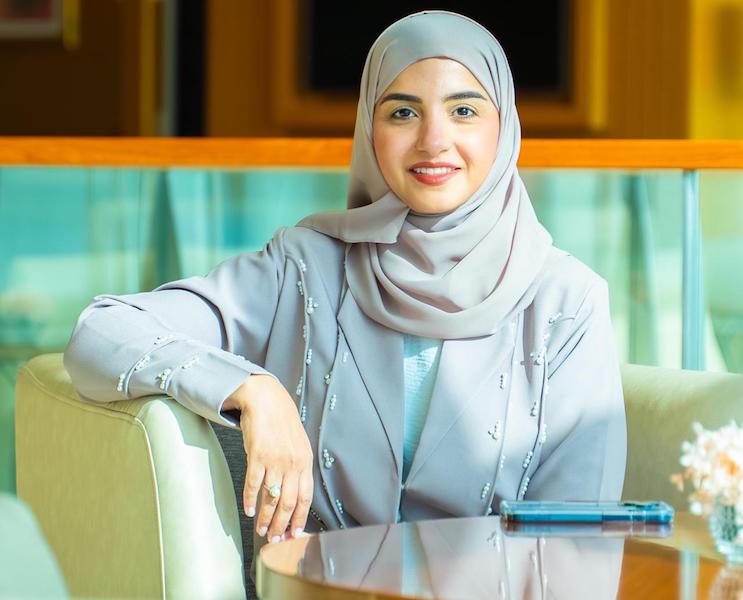
Behind every design lies a search for the finest materials to translate a vision into reality, but what happens when those materials cannot be locally sourced?Detailed fabrics that could entirely elevate pieces are not as easy as they seem to find. Consequently, collections cannot simply be brought to life in an instant, and without such materials, the pieces struggle to be materialised and showcased locally and globally.
Without a structure for designers to source high quality materials and fabrics locally, they must improvise using diverse solutions. To navigate this, Laila says, “I have started creating my own fabrics, from textures to prints.”
Pursuing a different route, well known designer Buthaina Al Zadjali said, “The ultimate challenge is securing exclusivity without compromising on technical excellence.” Thus, she relied on ‘direct partnerships with world-renowned mills and heritage suppliers’ to source her materials.
Dependence on external systems has become the norm. Esteemed designer Hala Al Balushi mentioned, “I take a proactive and global approach to sourcing… I rely on a network of trusted suppliers across the region, built over time through travel and industry connections.”
The unavoidable consequence of this is that it increases the barrier to enter the fashion world. A less recognised or less reputable designer may not have the resources for these solutions. Therefore, these problems do not solely inconvenience established designers, they could potentially stop emerging ones from even beginning to establish themselves.
This material problem is only the beginning of the lack of structure and system in place for these designers to flourish. The difficulty in sourcing points to the wider issue – an adequate infrastructure to support designers is yet to be constructed.
The absent system
Talent and creativity are not lacking in Omani fashion. However, without a strong ecosystem to support established and up and coming designers, how can they succeed? Laila asserts, “Talent exists, but designers need stronger platforms, production resources, retail opportunities, mentorship, and international exposure…when these elements are limited, it becomes difficult for designers to grow.” The impact of this weighs heavily on the designer’s exposure, inherently preventing their work from the praise it deserves.
Through this absence of a system, brand growth is affected widely. Nawal adds, “Many designers have a strong creative vision, but scaling production, maintaining quality, and building a consistent brand identity can be difficult.” Building a brand is key to exposure and limelight, but the missing system hinders their progression deeply.
Designers now have to be even more persistent whilst remaining patient in a landscape that makes it harder for them to succeed. “I work with limited pieces and a high level of detail, so keeping that consistency without compromising the essence of the brand requires a lot of patience and attention to detail,” notes Nawal.
Reaffirming this sentiment, Hala said, “Balancing growth with consistency, especially in the early stages with limited resources, required persistence, adaptability, and a clear vision.”
Whilst the system is still being built, Amal took up an initiative of founding a Fashion Future Program (FFP). It is a well-rounded programme that builds opportunities for upcoming fashion designers by providing them structure through mentorships and hands on work. It offers ten Omanis the chance to learn and grow in the fashion world for a duration of nine months
In her words, “to grow, designers must be willing to step into discomfort, into international standards, into critique, into new ways of working… This is exactly why I created the Fashion Future Program to bridge that gap and prepare designers for a global stage, not just a local presence.”
The FFP is currently a positive step forward for growing designers to flourish, and with that comes a hope that this initiative will encourage a stronger structure for the new generation of designers.
(Contributed by Maya Khimji)
© 2021 Apex Press and Publishing. All Rights Reserved. Powered by Mesdac