 By ANIRBAN RAY
Muscat – What began as a social media trend of AI-generated portraits has evolved into a broader debate on privacy and biometric security.
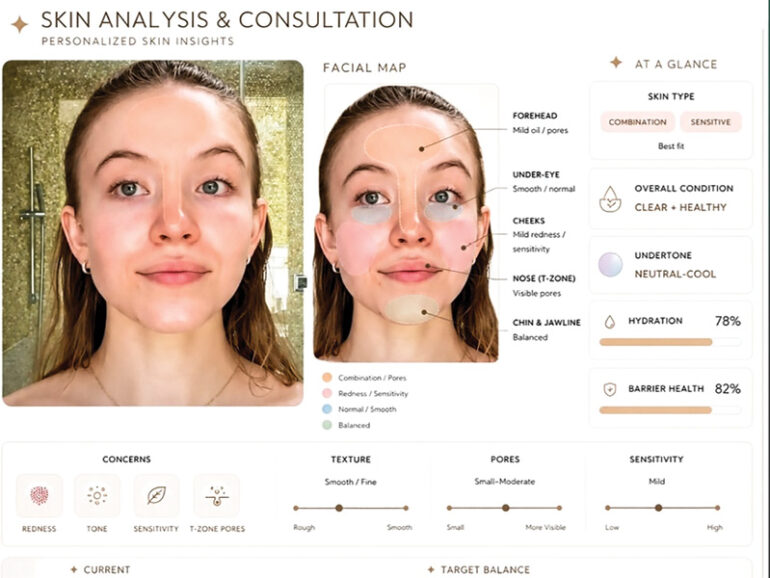
New facial analysis tools, including ChatGPT’s face analyser and the popular Mini Me avatar feature, allow users to upload selfies for detailed assessments and stylised digital versions of themselves. The results range from hairstyle suggestions and skin analysis to childhood avatars recreated with artificial intelligence.
As millions take part, cybersecurity specialists observe that many may not understand what they are giving away.
Priya Dilip, a student at Majan University College, said she tried the feature out of curiosity. “It identified my face shape, skin texture and even suggested hairstyles and skincare routines,” she said. “It was exciting and personalised.”
She added that most users accept terms and conditions without reviewing how images are stored or used. “The technology is impressive, but people should be more cautious while sharing personal facial data online,” she said.
Technology experts warn that facial images are not ordinary photographs. Tariq Al Barwani, an IT specialist, said such tools raise questions about consent and long-term data use.
“Facial images contain unique biometric details such as eye patterns and facial structure,” he said. “These can be used in facial recognition systems, AI training databases and even deepfake technology.”
He noted that risks increase when regulations and transparency are limited. “People think they are uploading a selfie for entertainment, but facial data is one of the most sensitive forms of digital identity. Once compromised, it cannot be changed like a password,” he said.
The concern extends beyond data storage. Experts caution that large volumes of facial data could be used to track behaviour, profile individuals or train commercial AI systems without clear oversight.
Santosh Samuel, a recent school graduate, said the Mini Me feature attracted him because of its realism. “It almost felt like having a digital version of myself many years back,” he said. “But facial images contain biometric information that can permanently identify a person. Unlike passwords, you cannot change your face if the data is misused.”
Cybersecurity analysts say many free applications rely on cloud storage and may retain uploaded images to improve algorithms. While companies often cite data protection policies, enforcement varies across jurisdictions.
The rapid rise of AI portrait tools highlights a wider challenge. AI can enhance creativity and self-expression. At the same time, it introduces new risks linked to identity theft, surveillance and data exploitation.
As AI becomes embedded in daily life, experts argue that public awareness and stronger regulation must keep pace with innovation. For now, the selfie that promises transformation may also carry a permanent digital imprint.
© 2021 Apex Press and Publishing. All Rights Reserved. Powered by Mesdac