 By MOHAMMED TAHA
From international television and work with Sir David Attenborough to an Omani technology start-up, Jassim Jaffer Al Lawati is turning his lifelong relationship with sound and storytelling into a new way of experiencing places.
Imagine walking into an old Omani fort… You see its thick walls, weathered stone and architecture shaped by centuries of history. You may read a plaque or listen to a conventional guide explaining what happened there.
But what if the place could tell you its own story?
What if, standing inside those walls, you could hear a local voice recalling memories of the fort, a historian explaining a detail you might otherwise miss, or a storyteller bringing an old legend back to life?
Suddenly, you are no longer simply looking at a place. You are listening to it.
That is the idea behind Sada, an Omani technology start-up co-founded by Jassim Jaffer Al lawati, which is exploring how audio, location and storytelling can create a deeper connection between people and the physical world around them.
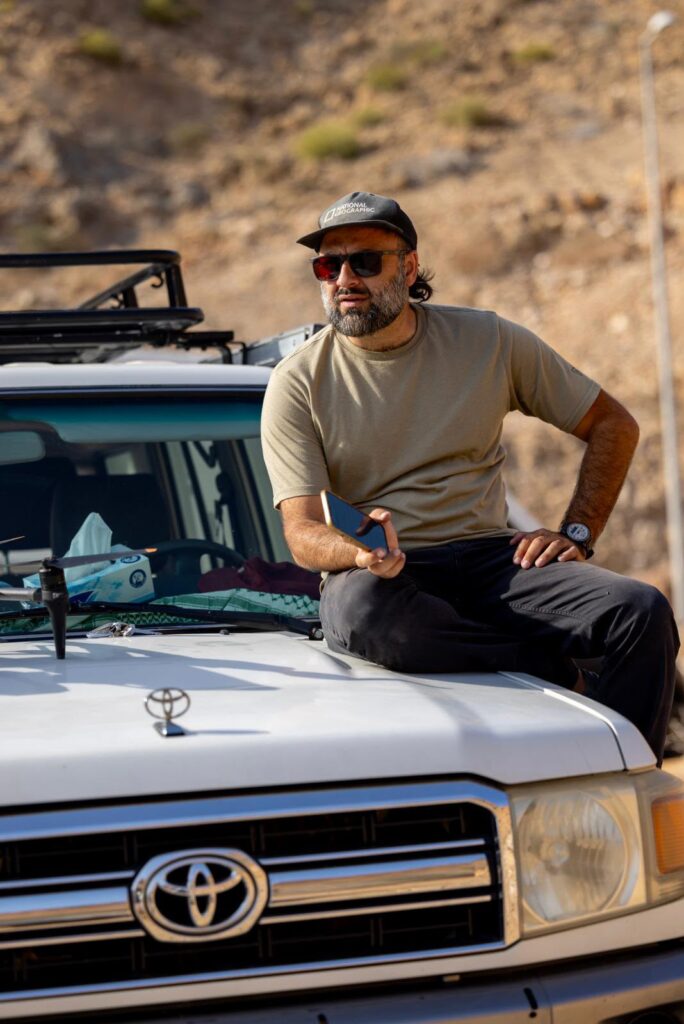
Its starting point is a simple question – What if places could speak?
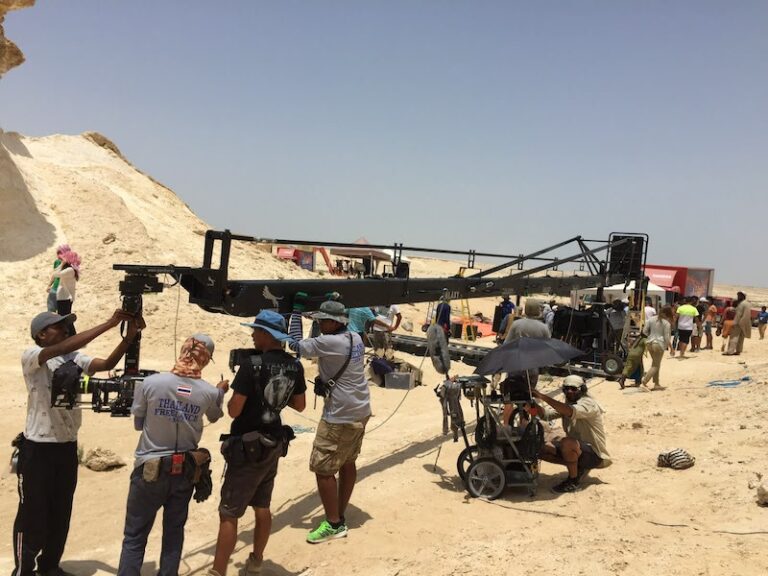
For Jassim, that question emerged from more than 15 years of working in international television and film, travelling the world and helping tell stories about people, wildlife, culture and extraordinary places.
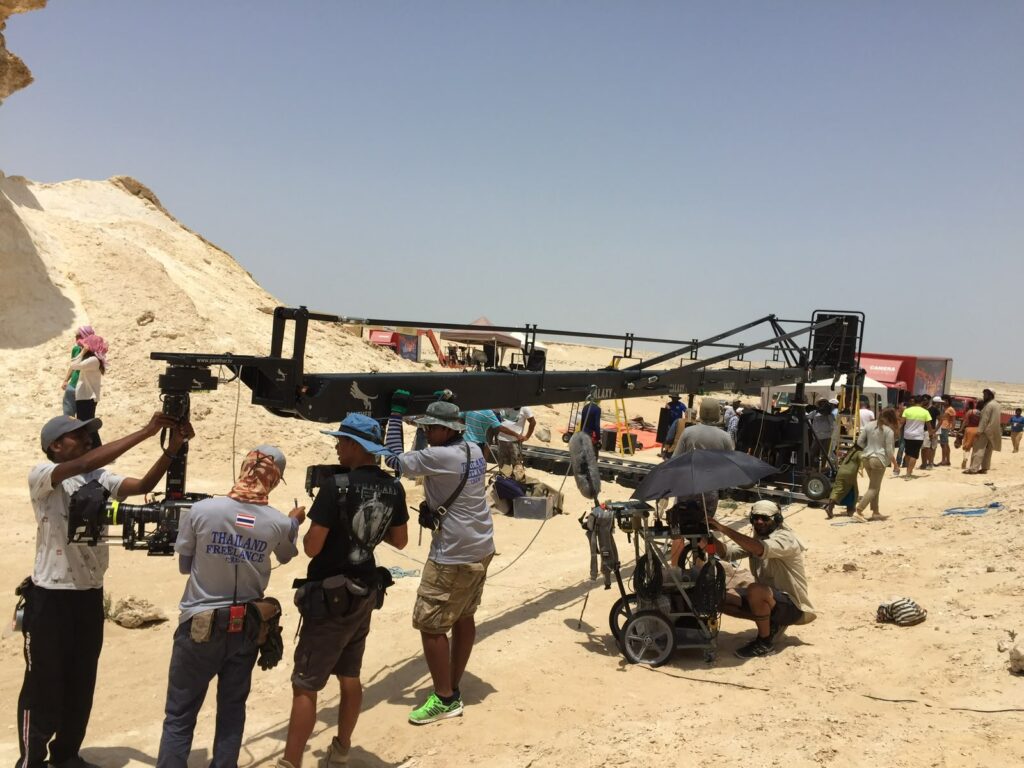
His career has included work with major broadcasters and leading personalities, as well as producing content in Oman for major tourism projects, the Oman Across Ages Museum and Oman Botanical Gardens. He also worked on two major series in Oman with the BBC Natural History Unit, voiced by Sir David Attenborough.
But it was his experience of Oman that eventually led him to consider a different way of telling stories. Television taught him the power of a carefully crafted narrative. Working with sound taught him something more intimate: the emotional power of hearing another human being speak.
“You can read somebody’s words, but hearing them is different,” he says. “You hear the inflection, the humour, the hesitation, the emotion and sometimes the things they don’t quite say.”
For years, his job involved travelling somewhere, recording a story and bringing it back to audiences through a screen. Eventually, he began wondering whether the process could work in reverse.
“I spent years doing the opposite. With TV, you go somewhere, find a story, record it, bring it into a production and eventually put it on a screen.”
Then came the question – What if you could hear that story in the place that it lives? That became the foundation for Sada.
Beyond the audio guide
Sada was established in 2025, although the idea had been developing for some time. Initially, Al Lawati was interested in how storytelling and technology could help people experience destinations differently.
In November 2025, Sada joined the Hikayat Al Balad Omran accelerator, facilitated by Al Jaber. Al Lawati describes the experience as a gamechanger, helping the company recognise that its potential extended far beyond a conventional audio guide.
With Oman undergoing significant development across tourism, culture and destinations, Sada is exploring opportunities with tourism developments, museums, heritage sites, hotels, events and other physical spaces.
“We’re building a technology platform that connects people, stories and physical places,” Al Lawati says. An audio guide tells visitors about a place. Sada aims to help them understand what that place means.
Seeing Oman differently
The opportunity in Oman is particularly rich.
The Sultanate’s heritage stretches from forts and ancient settlements to maritime traditions, mountain communities, wildlife and landscapes shaped by generations of human interaction. But Al Lawati believes heritage should not be confined to monuments.
“Heritage isn’t just in forts and museums. It’s living,” he says.
It exists in people’s memories, knowledge of plants and the sea, traditions passed through families and the relationship communities have developed with the land.
His work on Oman Botanical Gardens reinforced that view. For more than a year, his team travelled across Oman producing content for the gardens, museum spaces and biodomes, and working closely with botanists involved in the project.
A plant that might initially seem insignificant can become fascinating when someone explains how it was once used for medicine, cosmetics or survival.
“You begin to understand that our heritage isn’t separate from the land,” he says. “In many ways, our relationship with the land is the reason communities were able to live, travel and survive here.” That, he believes, is what a powerful story can do.
“A great story doesn’t just give you information. It changes the way you see something.”
Tourism may be a natural starting point, but Sada’s ambitions extend much further.
A museum could allow visitors to hear the voices of people connected to its collections. A hotel could reveal stories about its neighbourhood and history. A city could offer stories attached to individual streets, while events could connect visitors with moments and memories linked to specific locations.
Even brands could use the technology to create experiences connected to the physical spaces people occupy.
“Every physical space has stories,” Al Lawati says. “A hotel has a relationship with its location. A city has memories that change from street to street. An event has people, moments and energy connected to a particular time and place.”
The larger opportunity, he believes, is to create a new experiential layer around the physical world.
“We already have technology that tells us where things are. We’re interested in technology that helps us understand what those places mean.”
Artificial intelligence and location technology could make these experiences increasingly contextual. AI can help organise vast amounts of information, while location technology can determine what is relevant to someone in a particular place.
Audio can then deliver that experience without requiring visitors to constantly look at a screen. But Al Llawati believes the technology itself should disappear into the background.
“The best technology disappears,” he says.
Visitors should not be thinking about AI or geolocation. They should simply experience a moment when the right story reaches them in the right place and changes the way they see their surroundings.
Giving places a human voice
Perhaps the most compelling part of Sada’s vision is its potential to give ordinary people a voice. The person who knows the history of a street. The family that has lived in a village for generations. The guide who understands a landscape. The artist who sees a city differently.
During beta testing, local users sometimes responded to stories with a simple reaction – “I never knew that.” For Allawati, that demonstrates that Sada is not only for tourists.
“You can grow up somewhere, think you know it completely, and then hear one story that makes you see it differently,” he says.
“This isn’t simply about giving tourists more information. It’s about helping people develop a richer relationship with the places around them.”
What comes next?
The challenge now is building something that does not fit neatly into an existing category. An audio guide is too narrow. Tourism technology captures only part of the idea.
For Al Lawati, the answer is to keep building, testing and listening.
“You can’t wait for the perfect version of the idea,” he says. “You have to build, test, listen and adapt.”
Five years from now, he hopes Sada will be recognised as a new way of experiencing the physical world — something travellers, residents and visitors naturally think about when exploring a city, museum, hotel or destination.
© 2021 Apex Press and Publishing. All Rights Reserved. Powered by Mesdac