 By OUR CORRESPONDENT
Muscat – Oman’s network of 32 nature reserves now covers about 17,839.6sqkm, or 5.76% of the sultanate, as authorities seek to expand protection of terrestrial, marine and wetland ecosystems while developing sustainable ecotourism.
The Environment Authority (EA) is studying additional sites for protection and updating reserve management plans as Oman works towards international biodiversity commitments, including the global ‘30×30’ target to expand protected areas by 2030.
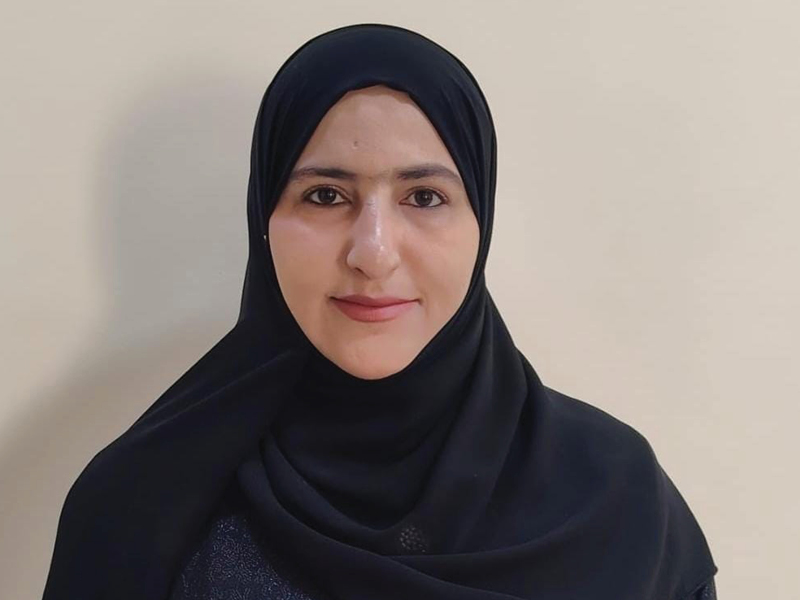
Zahra bint Khalaf Al Shariqi, Head of the Natural Reserves Management Department at the authority, said reserves are increasingly being managed as more than conservation zones.
Their role, she said, also extends to scientific research, environmental monitoring, sustainable use of natural resources, community participation and responsible tourism.
Oman has expanded its conservation network in recent years, announcing six new reserves over the past five years. The latest is a marine buffer zone around the Hallaniyat Islands.
The Jabal Akhdar and Al Sareen reserves were added to Unesco’s World Network of Biosphere Reserves last year, which Zahra said reflects Oman’s approach of combining biodiversity protection with sustainable development.
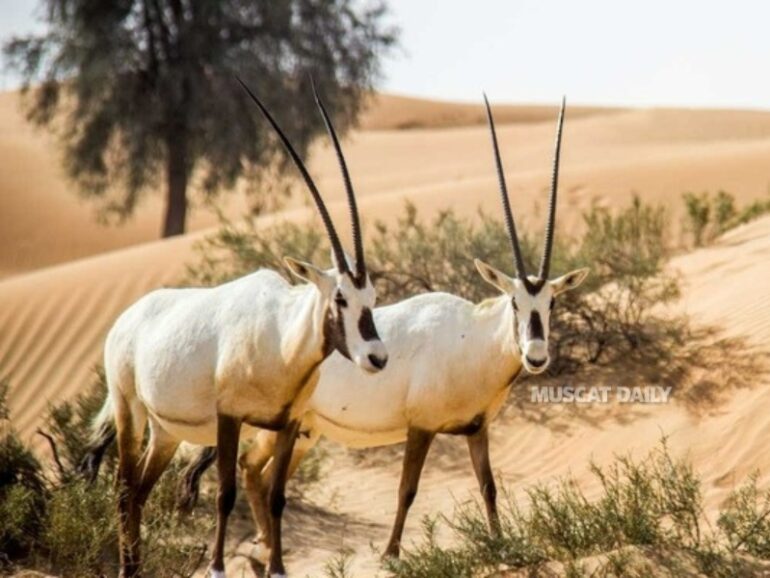
Priority species include the Arabian leopard, Arabian oryx, Arabian gazelle, Arabian ibex, sea turtles and birds of prey.
Authorities use camera traps and other monitoring technologies alongside species databases and habitat-restoration programmes, while regulating activities within reserves to reduce pressure on sensitive ecosystems.
But conservation faces growing challenges. Illegal hunting remains a concern, while climate change is affecting rainfall, water availability and temperatures on land and at sea. Zahra said these shifts are influencing wildlife distribution and putting pressure on coral reefs, mangroves and sea turtle nesting areas.
The authority is responding by integrating climate risks into management plans, expanding long-term monitoring, restoring degraded habitats and increasing mangrove planting.
Oman is also seeking to derive greater economic value from protected landscapes without compromising conservation.
Visitor routes, carrying capacities and permit systems are being used to manage tourism, while access to sensitive areas can be restricted during breeding and nesting periods. Investment projects inside reserves are subject to environmental assessments.
Zahra said ecotourism could generate opportunities for local communities through guiding, tourism services, SMEs and traditional crafts.
The reserves also support Oman’s commitments under the Convention on Biological Diversity, the Ramsar Convention and the Sustainable Development Goals, while protecting ecosystems that contribute to food and water security and climate resilience.
© 2021 Apex Press and Publishing. All Rights Reserved. Powered by Mesdac