 By OUR CORRESPONDENT
Muscat – Archaeologists have uncovered a Neolithic period stepped pyramid on the southern coast of Dhofar, in a discovery that points to organised, long-distance trade networks connecting ancient Oman to Mesopotamia as far back as 4,000 BCE.
The structure, located at Khawr Kharfut on the Arabian Sea coast, has been under investigation since 2014 by the Archeological Research Institute from Indiana, US, funded by the Khor Kharfut Foundation and private donors.
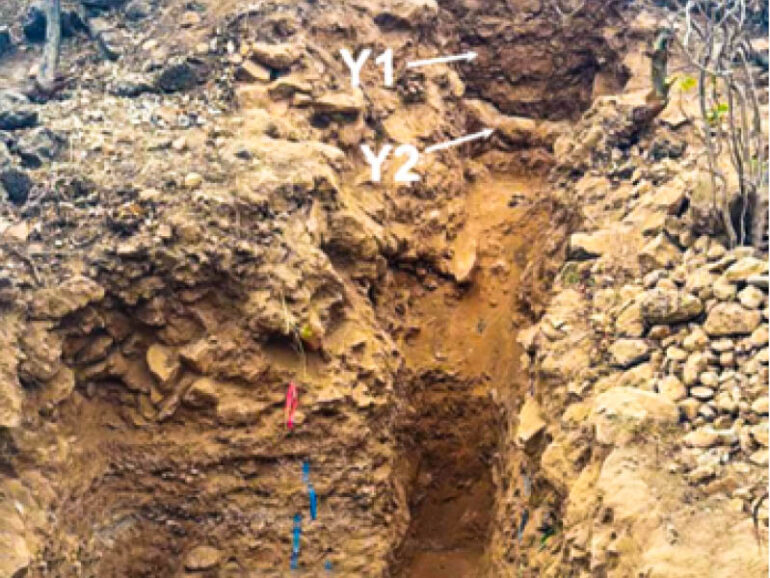
The 2023–2024 excavation seasons exposed vertical and stepped masonry on the pyramid’s north wall, constructed from partially dressed limestone blocks set in a vertical, coursed pattern, with mud mortar and smaller stones filling the gaps. Though partially eroded, the mound remains prominent on a terrace overlooking the sea – a placement researchers say suggests ritual or administrative functions.
Ceramic and stone ware recovered from the site point to a main occupation during the 4th millennium BCE, with parallels to stone vessels used at the Anu ziggurat in Mesopotamia during the Warka phase, dating between 3,400 and 3,800 BCE. A basal fragment of a stone ware vessel found eroding from the pyramid’s north slope may directly correlate its construction to that era.
Ceramic fragments from the site include undecorated red and brown wares, fingernail-impressed designs and an occasional sherd of imported glazed ware – evidence of a settlement engaged in both local production and long-range exchange. Decorative motifs on recovered pottery echo traditions from inland South Arabia and southern Mesopotamia.
Researchers believe Khawr Kharfut functioned as a nodal settlement – a ceremonial and strategic contact point mediating between Dhofar’s highland incense-producing communities and coastal maritime networks reaching as far as Mesopotamia.
‘The discovery points to a long-term, organised, symbolically charged settlement utilising far-reaching trade networks into Mesopotamia and probably elsewhere,’ the study – published in Athar, the bulletin of archaeological research in Oman – states.
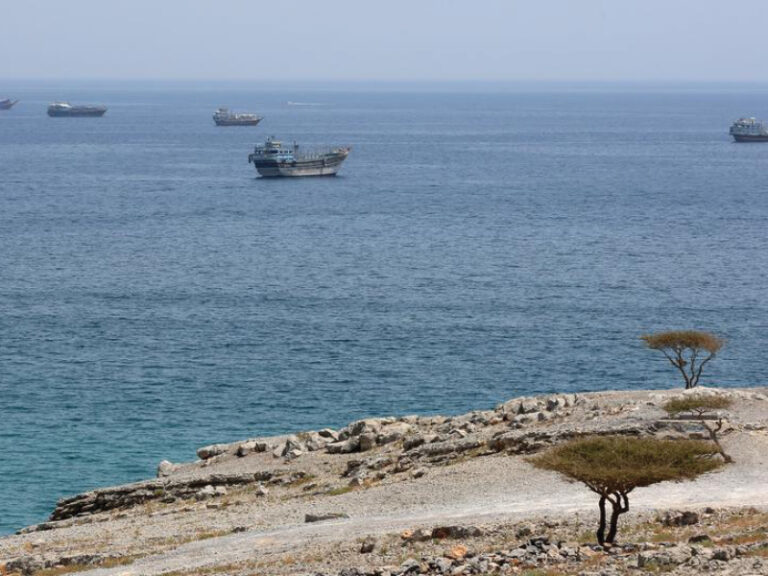
The site’s lagoons, freshwater springs, sheltered bay and abundant woodland resources made it one of the few naturally fortified and sustainable environments on the Arabian Sea coast – factors that likely made it a hub for seasonal exchange and maritime activity over several millennia.
The research team has called for priority radiocarbon sampling and broader ceramic comparisons in future campaigns to refine the site’s chronology and confirm its significance within the wider context of Neolithic cultural development across South Arabia and the ancient Near East.
© 2021 Apex Press and Publishing. All Rights Reserved. Powered by Mesdac