 By OUR CORRESPONDENT
Muscat – Oman’s inflation stood at 2.8% in June 2026 when compared to the same period last year as higher food, transport and services costs continued to drive consumer prices.
Data released by the National Centre for Statistics and Information (NCSI) showed that average inflation for the January-June 2026 period also stood at 2.8%.
The food and non-alcoholic beverages category recorded the highest annual increase among the main consumer groups, rising 6.1% compared with June 2025. It was followed by miscellaneous goods and services at 5.7%, transport at 5.5%, restaurants and hotels at 4.6%, and furniture, household equipment and routine household maintenance at 3.1%.
Prices for education increased 2.2%, while healthcare rose 1.8%. Recreation and culture recorded a marginal increase of 0.3%.
In contrast, prices for communications, tobacco, and clothing and footwear were unchanged from a year earlier, while the housing, water, electricity, gas and other fuels category declined 0.6%.
Among the governorates, Dhahirah recorded the highest annual inflation rate at 3.5%, followed by Muscat at 3.2%, Dakhliyah at 3.1%, Al Wusta at 3.0%, and Buraimi at 2.9%.
Inflation reached 2.4% in both Musandam and South Batinah, followed by Dhofar at 2.2%. North Batinah and South Sharqiyah each recorded 2.1%, while North Sharqiyah posted the lowest inflation rate at 1.9%.
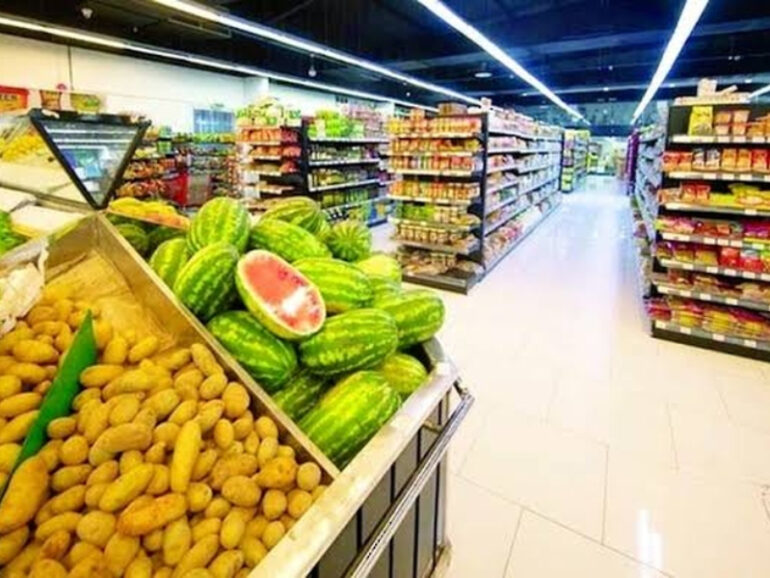
Within the food category, vegetable prices registered the sharpest increase, rising 23.6% year-on-year. Fruit prices increased 9.9%, meat 7.3%, non-alcoholic beverages 3.6%, and milk, cheese and eggs 2.9%.
Prices also rose for sugar, jam, honey and confectionery (2.2%), other food products (2.0%), bread and cereals (0.9%), and oils and fats (0.5%). Fish prices, however, declined 1.7% compared with June 2025.
© 2021 Apex Press and Publishing. All Rights Reserved. Powered by Mesdac