 By MOHAMMED TAHA
It’s time for Tabseel – a tradition which keeps Oman’s date heritage alive as families rally together for the annual harvest
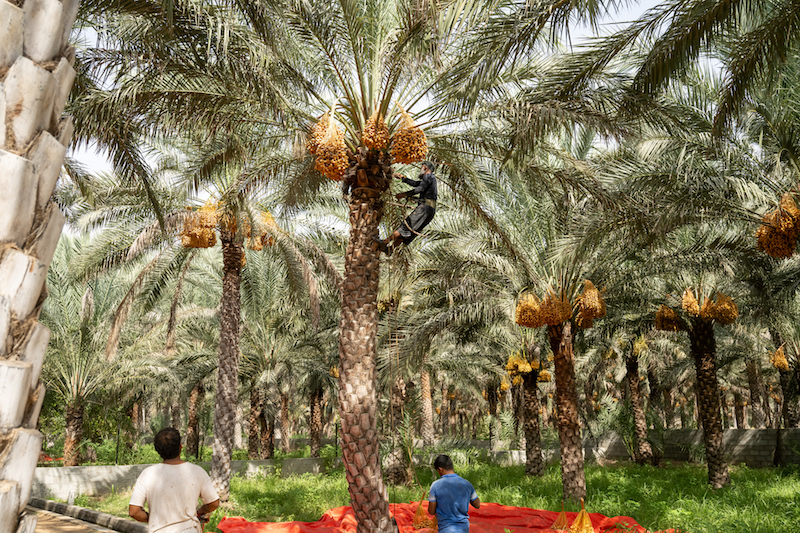
As dawn breaks over Oman’s palm groves, the silence of the countryside gives way to the sounds of farmers climbing towering date palms, children carrying woven baskets and families working side by side under the first light of day.
It is Tabseel season – one of the sultanate’s oldest agricultural traditions – when communities gather to harvest, boil and sun-dry dates in a ritual that has shaped rural life for generations.
Held from late June until mid-July, during Qaidh, the hottest period of the Omani summer, Tabseel is far more than an agricultural activity. It is a living expression of Oman’s heritage, preserving centuries-old farming knowledge while strengthening family bonds and providing seasonal income for thousands of households.
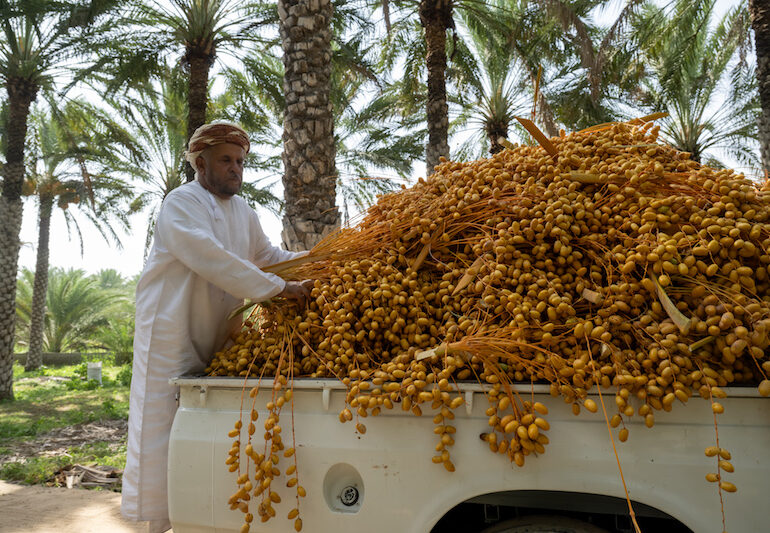
Across villages renowned for producing the prized Mabsali date, entire families rise before sunrise to begin harvesting before temperatures climb. Men scale towering palms to cut heavy clusters of ripe fruit, while women prepare the boiling process and organise the drying grounds. Children eagerly collect the harvest, learning traditional skills from parents and grandparents.
For many farming families, Tabseel is the most anticipated season of the year.
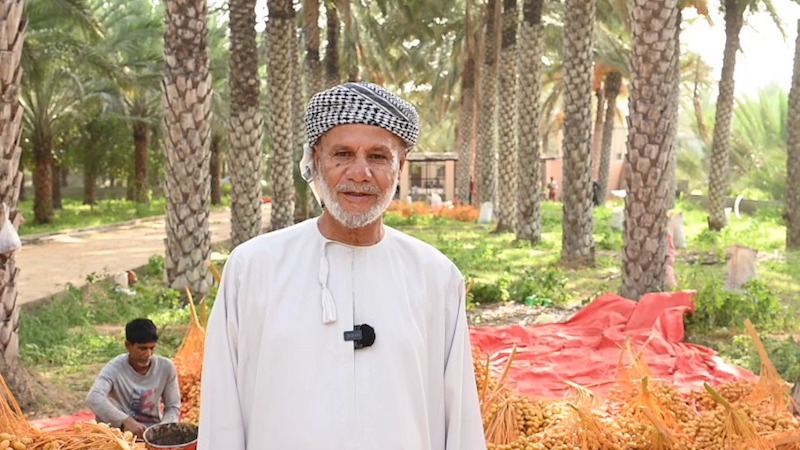
“It is like a wedding celebration for us,” said Said Rashid Al Mashaikhi, a farmer from Jaalan Bani Bu Hassanin South Sharqiyah Governorate.
“Tabseel is much more than harvesting dates. It is the time of year when our entire family comes together. We work, eat, and celebrate together, and that is what makes the season so special.”
According to Al Mashaikhi, the harvest transforms family farms into vibrant gathering places where several generations work shoulder to shoulder.
“Everyone takes part – children, women, young people and the elderly. Some relatives even take annual leave from their jobs so they can help with the harvest. It is a season of cooperation, reunion, and happiness.” This year’s harvest has brought particular optimism.
“The 2026 season has been exceptional,” he said. “Some farms have produced several times more dates than last year, and the quality of the Mabsali crop has been outstanding. We are very hopeful for a successful season.”
Once harvested, the dates pass through a carefully managed process that has remained largely unchanged for centuries.
Freshly picked fruit is first gathered in a stage known locally as Kharaat, before being boiled in large containers. The dates are then spread across open drying areas, known as Mastah, where they remain under the summer sun for several days until they reach the ideal texture for storage and sale.
The natural drying process enhances the flavour of the fruit while allowing it to be stored for months without losing its quality.
Photojournalist Ahmed Al Farsi, who has documented Tabseel across several Omani villages, believes the tradition remains one of the country’s most authentic expressions of cultural heritage.
“The season begins during the hottest days of the year, yet people continue it with remarkable enthusiasm because it represents their identity,” he said. “The Mabsali palm has always been valued for both its nutritional and economic importance.”
For Al Farsi, the most striking aspect of the season is watching three generations working together.
“Young people learn directly from their parents and grandparents,” he said. “These practical skills cannot be taught in classrooms. They are passed down through experience, observation and participation.”
The timing of the harvest also coincides with the summer school holidays, allowing children to spend weeks on family farms, gaining first-hand knowledge of traditional agriculture while creating memories that last a lifetime.
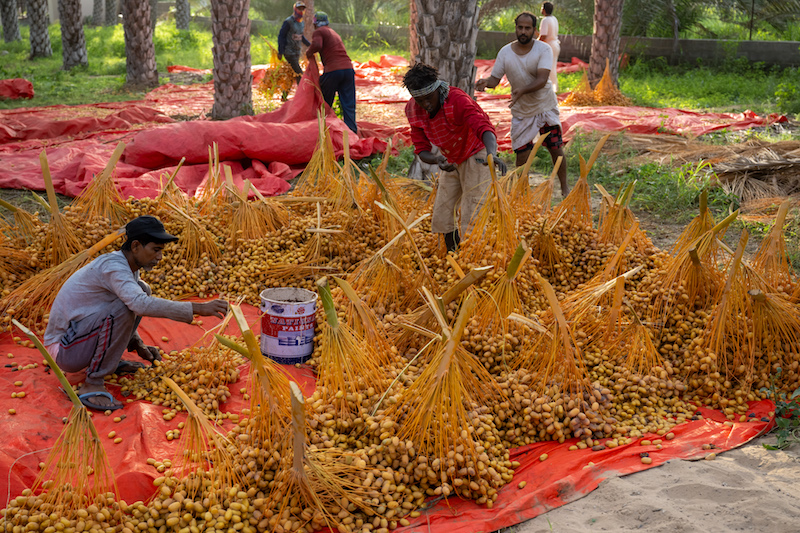
Beyond its cultural significance, Tabseel continues to play a vital role in supporting rural economies.
Once processed, the dried dates are sold in local markets, supplied directly to traders or marketed through government-supported channels, providing an important source of seasonal income for farming families.
The Mabsali variety enjoys strong demand thanks to its rich flavour, premium quality, and long shelf life, making it one of Oman’s most commercially valuable date varieties.
Al Farsi noted that while modern irrigation systems and improved farming techniques have increased productivity, many farmers continue to preserve traditional harvesting and processing methods that have endured for generations.
“The date palm has always held a special place in Omani society,” he said. “Often called the ‘tree of life’, it has provided food, income, and shelter for generations while shaping the culture and identity of communities across the country.”
Today, Tabseel stands as a powerful reminder that heritage is not confined to museums or history books. It remains alive in villages where families gather each summer to harvest the fruits of their labour, preserving traditions that continue to thrive alongside modern development.
© 2021 Apex Press and Publishing. All Rights Reserved. Powered by Mesdac