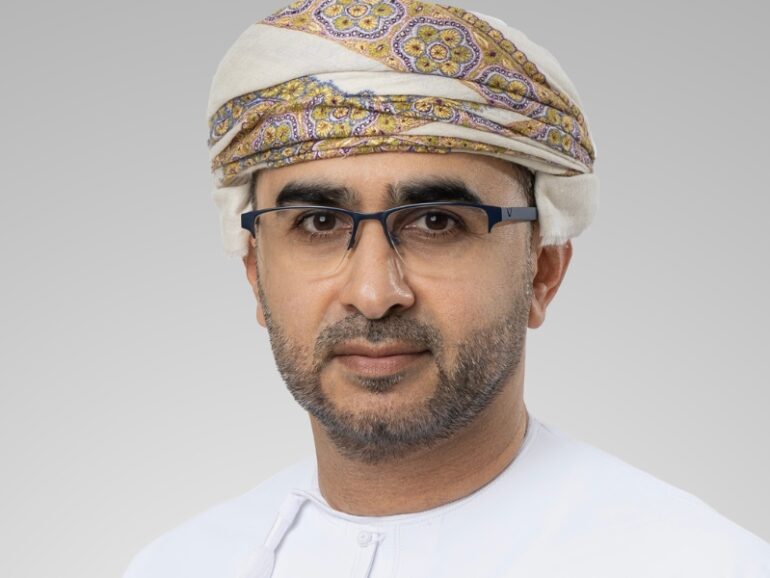
Muscat – Hussain Al Lawati, CEO, Development Bank participated in the Green and Greening National Development Banks Roundtable during London Climate Action Week on 23 June.
Hosted by the Natural Resources Defense Council, Finance in Common, Australia’s Clean Energy Finance Corporation and the SOAS Centre for Sustainable Finance the roundtable brought together finance leaders, policymakers and researchers to examine how national development banks can support investment in new industries and help economies adapt to a lower-carbon future.
Climate policy only changes economies when it is matched by capital. Targets need institutions capable of turning them into bankable projects. That is why national development banks are receiving more attention – they sit close enough to domestic markets to understand where funding is needed and where private investors still see too much risk.
Governments and financial institutions are beginning to recognize that role more clearly. Finance in Common represents over 540 public development banks and stakeholders managing US$23 trillion in assets. Public development banks are estimated to account for 10% of global investment flows. In 2024, multilateral development banks provided a record US$137 billion in climate finance and mobilized a further US$134 billion from private investors for climate-related projects.
In Oman, the discussion is closely linked to the country’s long-term economic development agenda. Investment in renewable energy and green hydrogen is expected to support new industrial activity and strengthen future export capacity. Existing industries are also under pressure to improve efficiency as global markets evolve. Development Bank sees a growing role for this kind of finance within Oman’s transition. Its mandate has always centred on supporting productive sectors of the economy. As industries change and financing requirements become more complex, development finance can help bridge the gap between policy objectives and projects private capital is willing to back.
Al Lawati said: “Development banks can help economies prepare for the industries of the future. Access to finance remains important, although finance alone is rarely enough. Investors need confidence that projects can move forward and businesses need access to institutions that understand local conditions.” The Bank’s CEO added: “Oman’s priorities are economic as much as environmental. Investment in cleaner industrial processes, energy efficiency and sustainable infrastructure can help local companies adapt as global markets change. Development finance can help turn those opportunities into investable projects.”
During the roundtable, participants examined how international climate funds, multilateral lenders and national development banks can work more effectively together. Particular attention was given to project preparation, institutional capability and approaches that can help attract greater levels of private capital. Participation in the London discussion reflects Development Bank’s interest in international debates shaping the future of development finance and its role in supporting economic diversification under Oman Vision 2040.
© 2021 Apex Press and Publishing. All Rights Reserved. Powered by Mesdac