 By OUR CORRESPONDENT
Muscat – The National Records and Archives Authority (NRAA) is intensifying efforts to preserve Oman’s rich cultural and social heritage through an extensive field documentation programme that records the sultanate’s customs, traditions, social norms and distinctive Omani way of life across its governorates and wilayats.
Specialist researchers are conducting field studies to document long-standing practices, inherited traditions, lifestyles and community values that define Omani society. The initiative also records social occasions and the customs associated with these, reflecting the diversity and richness of the nation’s cultural heritage across different local environments.
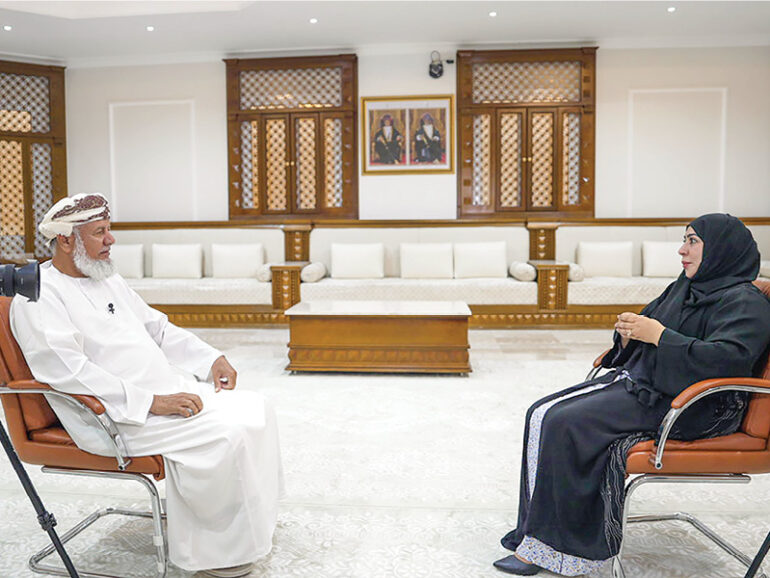
As part of the programme, the team collects oral histories and first-hand testimonies from elders and cultural experts while documenting traditional Omani dress, social etiquette, customs and behavioural practices. It also records local conventions that have historically strengthened social cohesion and reinforced the values for which Omani society is renowned.
The authority said the project is part of its mandate to preserve and document the nation’s collective memory, highlighting Oman’s deep-rooted civilisational and cultural legacy. The initiative is intended to raise public awareness of the importance of safeguarding this heritage through scientific documentation methods that ensure its long-term preservation and accessibility for researchers and future generations.
The NRAA confirmed that documentation work will continue under field plans covering all governorates and wilayats with the aim of building a comprehensive national archive that captures the evolution of Omani social and cultural life while preserving the country’s authentic traditions and identity for generations to come.
© 2021 Apex Press and Publishing. All Rights Reserved. Powered by Mesdac