 By OUR CORRESPONDENT
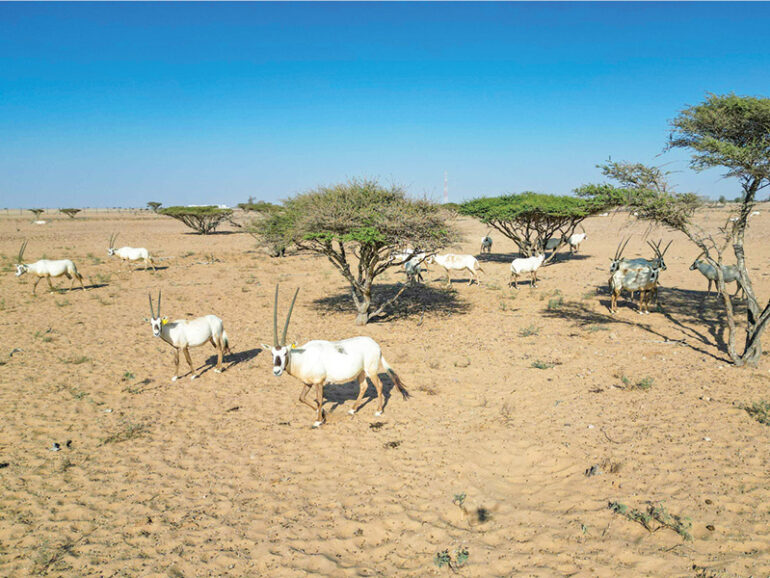
Muscat – In a move to safeguard Oman’s fragile ecosystems while positioning its reserves as sustainable tourism assets, the Environment Authority (EA) has rolled out strict regulations and fines governing activities in two of the sultanate’s most prized protected areas – Al Salil Natural Park in South Sharqiyah and the Arabian Oryx Reserve in Al Wusta.
Two decisions issued by Dr Abdullah bin Ali al Amri, Chairman of EA, set out a comprehensive framework to regulate visitor access, research, tourism and land use inside the reserves. The decisions, issued on January 25, took effect the day after publication in the Official Gazette.
The new rules make prior permits mandatory for entry and for activities such as walking, hiking, camping and overnight stays. While harvesting fruit is allowed, cutting plants is prohibited. Filming documentaries and promotional material also requires official approval, and fires are permitted only in designated areas.
The regulations place tight controls on scientific and commercial activities. Conducting research, studies and collecting wildlife samples without permits are banned, as are grazing livestock, drilling wells, mining, construction, expanding existing buildings, planting and afforestation.
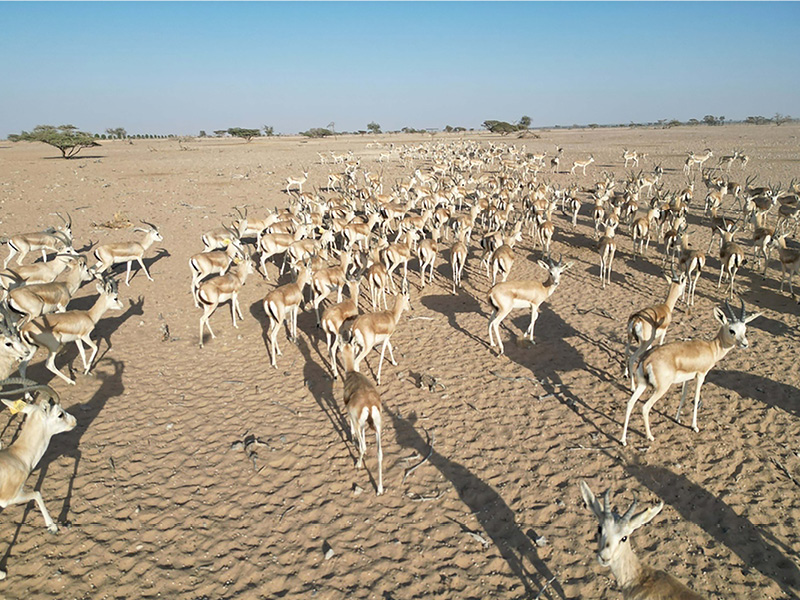
Hunting and the collection of wildlife, stones and artefacts are strictly prohibited. The use of firearms, traditional weapons and poisons is banned. Visitors must stay on designated tracks and avoid burning vegetation, polluting water sources or introducing invasive species. Damaging facilities and tampering with boundary signs are also forbidden.
Certain groups are exempt from entry permits, including members of the Sultan’s Armed Forces and Royal Oman Police on duty, government officials and academic researchers on official assignments, school students on educational trips, residents of the reserves and their first-degree relatives, and official delegations.
Entering or camping without a permit carries a RO50 fine. Lighting fires in non-designated areas or conducting unapproved research can result in RO100 penalties. Hunting or collecting items from the reserves is punishable by RO150.
More serious violations attract heavier fines. The use of poison for hunting carries a RO200 penalty, while drilling wells, mining or constructing facilities without permits can lead to fines of up to RO250. Other offences – including off-road driving, cutting protected plants, polluting water sources, filming without permits and unauthorised planting – carry fines ranging between RO50 and RO100.
The authority said the measures are designed to regulate human activity, conserve biodiversity and ensure the long-term protection of Oman’s natural heritage, while enabling responsible tourism in some of the country’s most ecologically significant landscapes
Meanwhile, in line with efforts to expand ecotourism, EA recently signed nine investment agreements worth more than RO44mn for projects across seven reserves – part of broader plans to enhance facilities across Oman’s 33 nature reserves and position these as sustainable tourism destinations.
© 2021 Apex Press and Publishing. All Rights Reserved. Powered by Mesdac