 By
By
Muscat – Medication harm accounts for 50 per cent of the overall preventable consequence in medical care, making it an urgent global public health concern, according to the World Health Organization (WHO).
It also causes a huge global financial burden, contributing nine per cent of total avoidable costs due to suboptimal medicine use, or the equivalent of US$42bn of global total health expenditure.
In the Eastern Mediterranean Region, therapeutic and medication errors account for 34 per cent of the total number of adverse events.
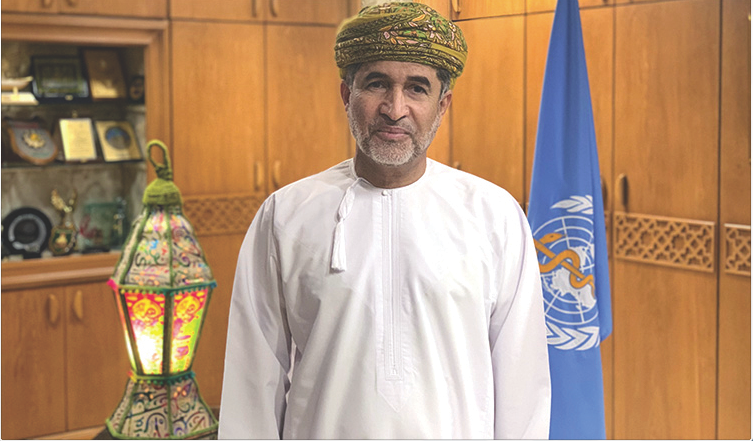
Data also show that up to 18 per cent of hospital admissions in the region are associated with severe patient harm due to management of care, 80 per cent of which are preventable, said Dr Ahmed al Mandhari, WHO Regional Director for the Eastern Mediterranean on the World Patient Safety Day, marked on September 17.
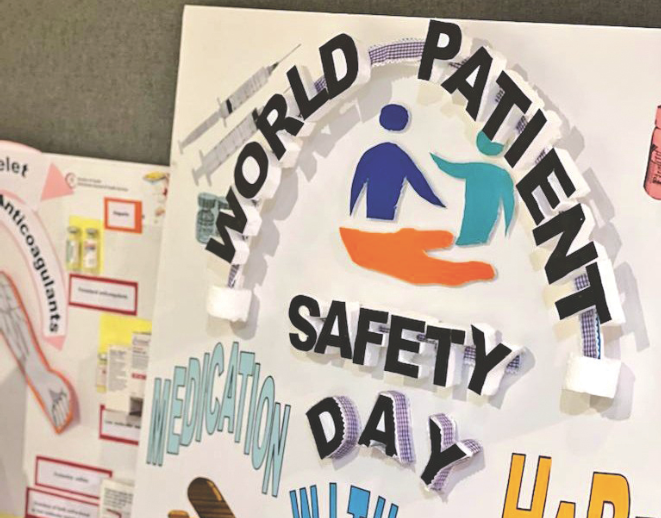
This year, ‘Medication Safety’ has been selected as the theme for World Patient Safety Day under the slogan ‘Medication Without Harm’, with a call to ‘Know, Check and Ask’ actions.
The Ministry of Health in Oman is organising several programmes to spread awareness on the issue, besides illuminating its hospitals in orange to mark the day.
A special event will be organised on September 21, from 3pm to 8pm, for the cause at City Centre Muscat.
According to Dr Mandhari, medication errors occur when weak medication systems and/or human factors such as fatigue, poor environmental conditions or staff shortages affect prescribing, transcribing, dispensing, administration and monitoring practices, which can then result in severe harm, disability and even death.
“In low- and middle-income countries, current estimates suggest that 134mn adverse events occur in hospitals, contributing to around 2.6mn patient deaths every year. While in high-income countries, one in every ten patients is harmed while receiving hospital care,” he said.
Patients living in low-income countries experience twice as many disability-adjusted life years lost due to medication-related harm than those in high-income countries. This happens due to an uneven implementation of available interventions that could reduce the frequency and impact of medication errors.
A significant consequence of unsafe healthcare is the psychological cost to patients and their families, added Dr Mandhari. “The resulting human suffering, emotional impact and loss of trust in the health system hamper the utilisation of health services, jeopardising efforts to increase access to health services.”
The highest rates of preventable medication-related harm occur in elderly patient care settings (11 per cent), followed by intensive care (7 per cent), highly specialised or surgical care (6 per cent), and emergency medicine (5 per cent ), and at least 26 per cent of preventable medication harm is clinically severe or life-threatening. During pharmaceutical care, most harm occurs in prescribing and monitoring medications.
Dr Mandhari said that the COVID-19 pandemic has further exacerbated the risk of medication errors and medication-induced harm. “Delivering safe care and ensuring patient safety is more complex in emergency contexts, especially in countries in the region that face conditions of insecurity, conflict and vulnerability. Universal health coverage depends on the ability of the health system to provide safe, timely and effective services to all people, everywhere, including in emergency settings.”
World Patient Safety Day aims to engage the public, increase awareness and enhance understanding of the burden of unsafe care and the ways to promote patient safety as a cornerstone of modern healthcare.
To help spread awareness, Dr Mandhari called upon everyone, including “governments, nongovernmental organisations, professional organisations, civil society, patient organisations, academia and research institutes, to join the global campaign by lighting up iconic monuments in orange, and organising international, national and local activities and events on and around September 17.”
© 2021 Apex Press and Publishing. All Rights Reserved. Powered by Mesdac