
 By MOHAMMED TAHA
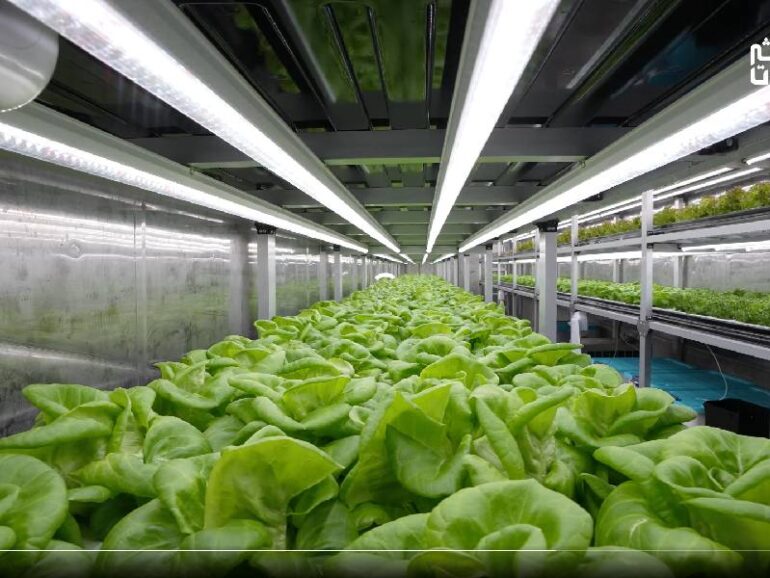
Muscat – The Ministry of Agriculture, Fisheries and Water Resources has launched a project called Smart Vegetable Farms, a new national initiative introducing indoor vertical farming technology for leafy crop production, in partnership with Oman India Fertiliser Company (OMIFCO).
The project represents a major step forward in modernising the sultanate’s agricultural sector, enhancing food security and boosting national income through sustainable, high-efficiency production systems.
Waleed Salim al Abri, Head of the Horticulture Research Department at the ministry, said the Smart Vegetable Farms project underscores the ministry’s commitment to deploying advanced agricultural technologies that ensure year-round production while maintaining high quality and reducing resource consumption.
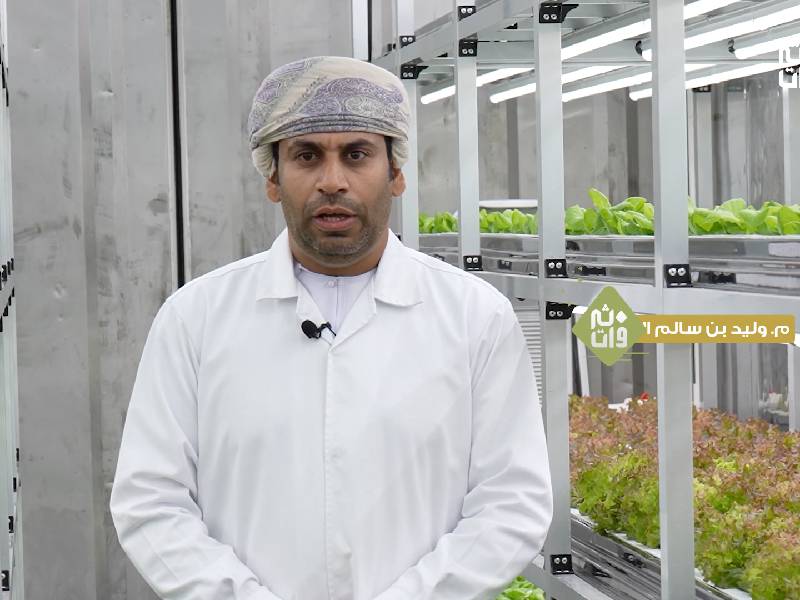
He explained that indoor vertical farming creates a fully controlled environment – regulated humidity, temperature, carbon dioxide levels and artificial lighting – to deliver consistent, pesticide-free crops with exceptional water efficiency.
The project aims to facilitate farmers, youth and entrepreneurs in adopting innovative cultivation systems and tap into new investment opportunities in smart agriculture. By promoting advanced farming practices, the initiative supports Oman’s drive to diversify food sources and reduce dependence on imports.
According to the ministry, the technology is expected to increase production, raise crop quality standards and expand sustainable agricultural models that contribute to long-term food security. It also aligns with national efforts to consolidate agriculture as a key contributor to economic diversification.
Abri added that the project will serve as a platform for introducing cutting-edge farming methods that improve land-use efficiency and ensure continuous production throughout the year for Oman’s transition to resilient and sustainable food systems.
Latest figures from the National Centre for Statistics and Information show that Oman achieved 65.8% self-sufficiency in food production in 2024, reflecting steady progress towards national food security goals.
Driven by increased local output and sustained investment across agriculture, livestock, fisheries and food manufacturing, self-sufficiency levels reached 49.4% for agricultural products, 87.3% for animal products, 144.5% for fish, and 66.4% for food and beverage industries.
© 2021 Apex Press and Publishing. All Rights Reserved. Powered by Mesdac