 By OUR CORRESPONDENT
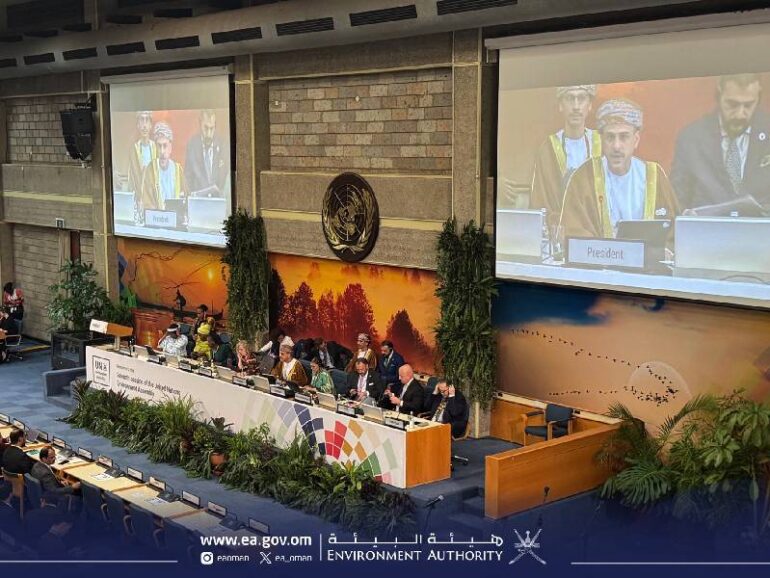
Muscat – At the opening of the UN Environment Assembly (UNEA-7) in Nairobi on Monday, Abdullah bin Ali al Amri, President of UNEA-7 and head of Oman’s Environment Authority, urged countries to act collectively in confronting environmental threats. “Resilience is built together or will not be built at all,” he said, calling on nations to uphold the assembly’s role as the “world’s environmental conscience” and to work through consensus to protect the planet.
Delegates from more than 170 countries are attending the week-long meeting, which runs till December 12. UNEA is the UN’s leading decision-making body on environmental matters and convenes as the world faces accelerating climate impacts, biodiversity loss and rising pollution levels – the three crises facing planet Earth.
“UNEA-7 must deliver implementable, science-guided resolutions grounded in the spirit of multilateralism,” Amri said as the assembly officially opened. He noted that communities everywhere are feeling the impacts of climate change and pollution, and that “multilateralism succeeds when it is anchored in scientific fact and practical evidence.”
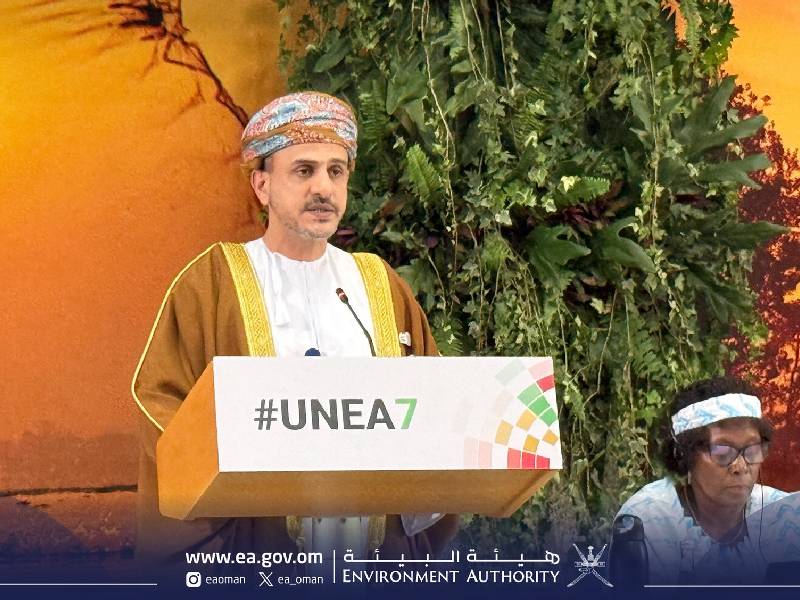
He called for ambition, commitment and resilience, and for resolutions that are science-based, coherent and capable of swift implementation.
The session will centre on what UN Environment Programme (UNEP) Executive Director Inger Andersen described as finding “real solutions to real-world problems”. She noted that global efforts remain off track in addressing the three planetary crises and called for decisions that can trigger faster action.
Negotiators will review 15 draft resolutions and three draft decisions. These include proposals to protect rapidly shrinking glaciers, improve the management of minerals and metals, and address massive seaweed blooms that have disrupted coastlines worldwide.
One resolution drawing close attention concerns the environmental footprint of artificial intelligence. Studies show data centres require significant energy and water, generate electronic waste and depend on minerals often sourced unsustainably. The text encourages governments to develop measures to limit AI’s environmental burden.
Although UNEA resolutions are not legally binding, they help establish common ground and have previously paved the way for major global agreements.
The assembly will also host three high-level dialogues examining how environmental sustainability intersects with industry, global finance and public health. Heads of state and government are expected to address the gathering later in the week.
Despite geopolitical tensions, Inger said the organisation remains confident the talks can stay focused. “It is clear that even in times of geopolitical shifts and challenges to multilateralism, Nairobi remains the strong, beating heart of environmental diplomacy.”
© 2021 Apex Press and Publishing. All Rights Reserved. Powered by Mesdac